T4K3.news
Earendel may be a star cluster not a lone star
New JWST data questions Earendel as a single star, suggesting it may be a star cluster



The James Webb Space Telescope raises new questions about Earendel, suggesting it may be a star cluster rather than a single star.
Earendel, The Most Distant Star, May Not Be a Star After All, New Study Reveals
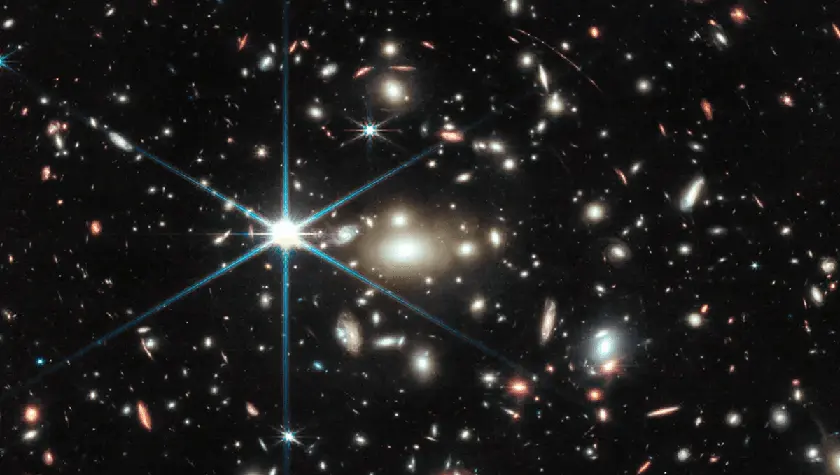
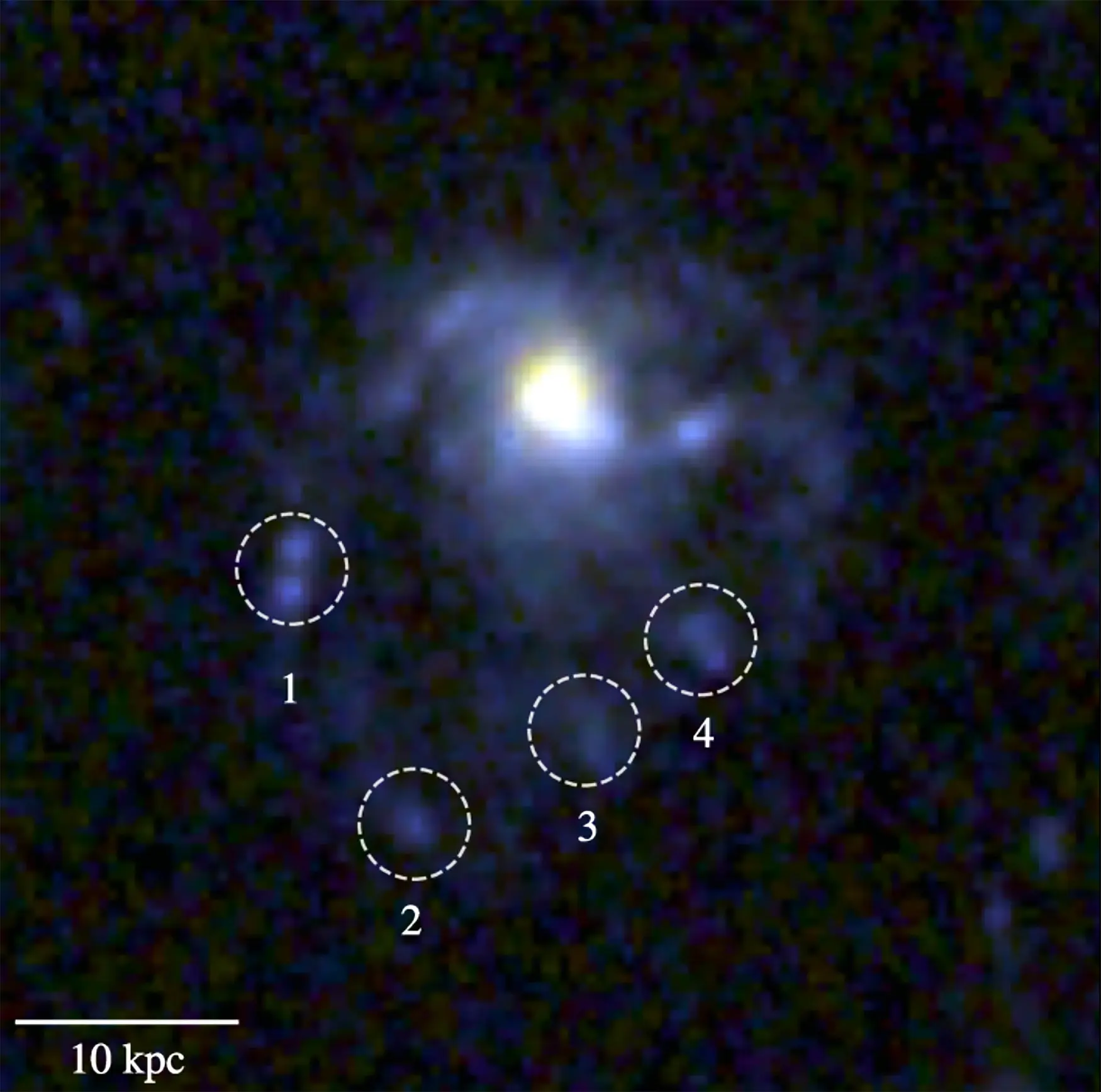
Scientists using the James Webb Space Telescope have looked closely at Earendel, the distant object first identified by Hubble as possibly the most distant light from a star. Gravitational lensing by a foreground galaxy cluster allowed the faint object to be studied in detail, revealing a spectrum that initially supported the idea of a single massive star located about 12.9 billion light years away.
New analysis adds a twist by suggesting Earendel could be a compact globular star cluster rather than one star. The researchers say the light patterns and metal content align with what is seen in ancient clusters in the local universe, but they caution that the evidence is not conclusive. The study shows how lensing can complicate interpretation and invites further observations to pin down the true nature of Earendel.
Key Takeaways
"Whats reassuring about this work is that if Earendel really is a star cluster it isnt unexpected"
Lead author Massimo Pascale on the plausibility of the cluster hypothesis
"At the spectral resolution of the NIRSpec instrument the spectrum of a lensed star and a star cluster can be very similar"
Brian Welch notes the ambiguity in spectral data
"Monitoring changes in Earendel brightness could provide critical clues about its nature"
Pascale on follow up observations
"The measurement is robust and well done but in only considering the star cluster hypothesis the study is limited in scope"
Welch provides a cautious critique
Earendel case shows how distance and lensing shape our view of the early universe. The JWST data invite a broader question about how the first luminous sources formed, whether solo beacons or small clusters. If Earendel is a cluster, it would shift how we imagine star formation in the universe first billion years and how we interpret the light from other distant objects.
Science moves by questions and revisions. The claim will hinge on additional data, comparisons with other observations, and independent analyses. The debate also highlights how spectral data and lensing models must be integrated to avoid premature conclusions about a distant object.
Highlights
- Whats reassuring about this work is that if Earendel really is a star cluster it isnt unexpected
- At the spectral resolution of the NIRSpec instrument the spectrum of a lensed star and a star cluster can be very similar
- Monitoring changes in Earendel brightness could provide critical clues about its nature
- The measurement is robust and well done, but in only considering the star cluster hypothesis the study is limited in scope
The cosmos keeps surprising us as new tools reach further into the past
Enjoyed this? Let your friends know!
Related News
Earendel Likely a Star Cluster

Tick allergy reshapes Marthas Vineyard dining
Moon Near Pleiades in Early Morning Sky August 16 17
Cosmic Horseshoe Reveals Heaviest Black Hole Yet
Webb spots distant jellyfish galaxy
New Planetoid Ammonite Found in the Solar System
The Seven Sisters eclipse occurs on July 20
Best celestial sights for stargazing announced