T4K3.news
Tick allergy reshapes Marthas Vineyard dining
Rising alpha-gal allergy prompts a shift toward plant-based foods across farms, markets, and restaurants on Marthas Vineyard.




Rising alpha-gal allergy from lone star ticks on Marthas Vineyard prompts a shift toward plant-based foods across farms, markets, and restaurants.
Tick allergy reshapes Marthas Vineyard dining
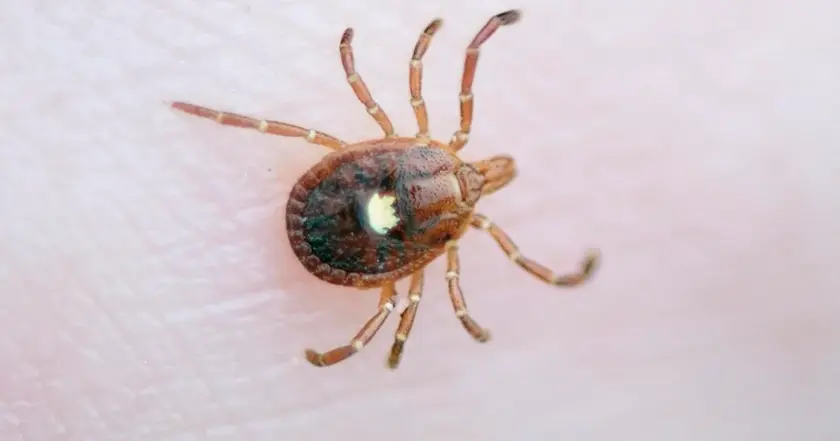
On Marthas Vineyard this summer, the story is not just the Jaws festival but a medical one. The lone star tick bite has spurred alpha-gal syndrome that makes many residents avoid red meat and sometimes dairy. Testing data show a rapid rise: 523 of 1,254 alpha-gal tests positive last year, up from two positives out of nine in 2020. Some islanders skip hikes, gardening, and even beach days to reduce bite risk, and a few have moved off the island. A local man fainted after inhaling barbecue smoke, underscoring how social moments can trigger reactions.
Businesses are responding. Restaurants list alpha-gal safe items; a market shelves alpha-gal friendly plant-based products; a farm says its kitchen has shifted to 100 percent vegetarian and much of it vegan. Community groups offer alpha-gal seminars and support networks, and residents compare safe staples in checkout lines. For those with extreme sensitivity, even baked goods and a bottle of water could pose a risk.
Key Takeaways
"It is sort of supersized vegetarianism"
Describing the shift toward vegetarian meals on the island
"There are a lot of angry people, a lot of stressed-out people and a lot of fearful people"
Observing public mood amid rising alpha-gal cases
"I am not a big red meat eater but the dairy is tragic"
Personal impact as a chef dealing with alpha-gal
"The hallmark of alpha-gal is that the reactions are consistently inconsistent"
Medical variability of reactions
The piece shows how health fears can reshape a place s food culture, turning a tourism hub into a laboratory for diet experimentation. In a community built on fresh food and outdoor life, alpha-gal turns everyday meals into a precaution. The island s farmers, chefs, and grocers are adapting quickly, expanding plant-based lines to serve locals and visitors alike while health professionals monitor the science behind the syndrome. The risk is that fear and misunderstanding could cloud business and public health messaging.
Yet there is promise here. A more diverse, plant-forward food scene could bolster resilience for small farms and independent restaurants alike, while raising awareness of allergic conditions. The question is whether the changes will stick beyond the current health scare.
Highlights
- A lone star bite rewrites a whole dinner plate
- Vegan trends rise where fear once stood
- The dairy is tragic yet the plant based future feels practical
- Diet changes travel faster than tides here
Health risk tied to alpha gal allergy on Marthas Vineyard
The rise in alpha-gal syndrome presents medical and social risks, including misinformation, dietary restrictions affecting nutrition, and potential stigmatization of meat and dairy products. The rapid growth in cases may strain healthcare resources and influence local economies.
As the island learns to live with alpha gal, what people eat may outlast the ticks.
Enjoyed this? Let your friends know!
Related News
Public health alert on alpha-gal allergy rising on Martha's Vineyard
Investigation Begins into Powassan Virus Case
Powassan case on Martha's Vineyard

Newborn infected with Powassan virus in Martha's Vineyard
Investigation into Powassan virus case on Martha’s Vineyard

Newborn infected with rare virus after Martha's Vineyard walk

Investigation ongoing for possible Powassan virus in newborn

West Tisbury Infant Contracts Rare Powassan Virus