T4K3.news
Trump pushes to end mail-in voting amid constitutional limits
Experts say the president cannot unilaterally change how states run elections; constitutional limits and state authority prevail.

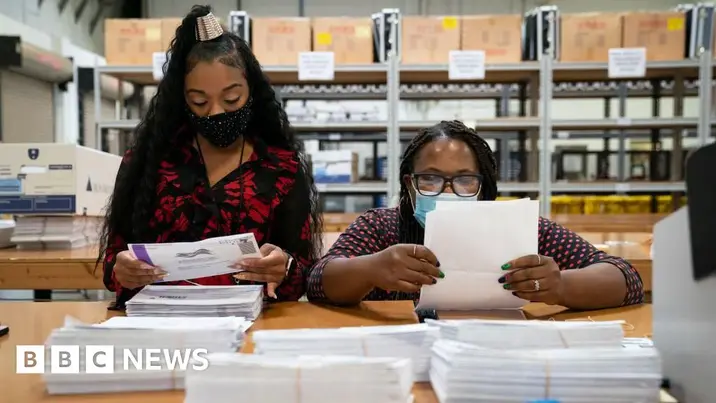


The piece analyzes Trump’s push to end mail-in ballots and the constitutional constraints that could limit him.
Trump pushes to end mail-in voting amid constitutional limits
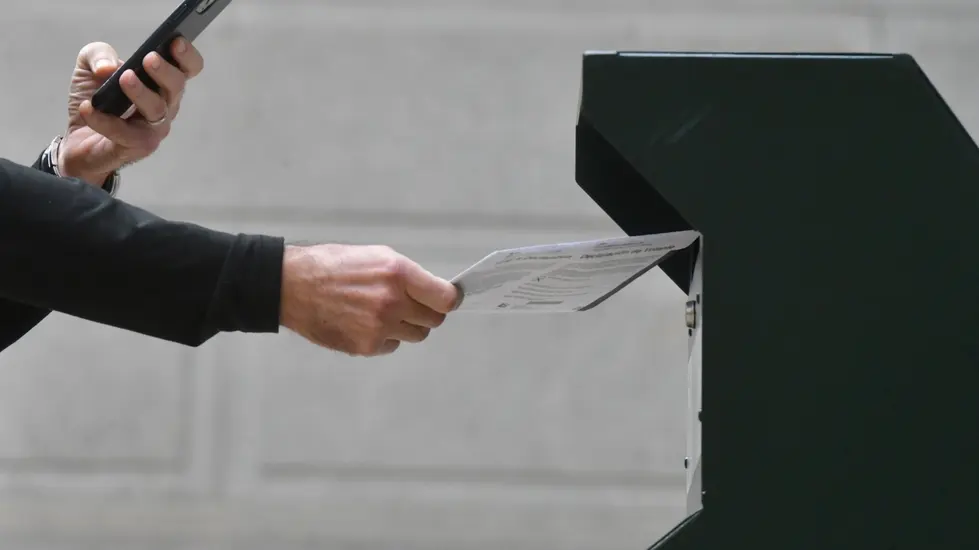
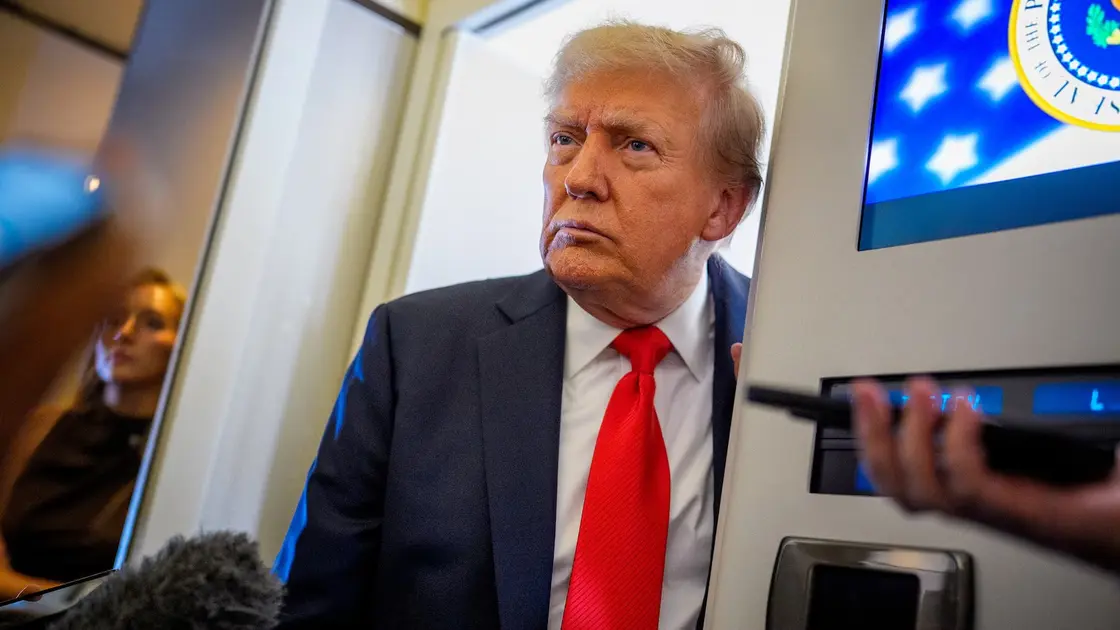
President Donald Trump signals he wants to use executive action to end mail-in voting ahead of the 2026 elections. In a social media post, he claimed that an order is being drafted by top lawyers to end mail-in ballots, arguing they are corrupt. He also framed the issue during a White House meeting with Ukrainian President Volodymyr Zelenskyy as a move that would benefit his political aims.
Experts say the president cannot unilaterally change how states run elections. The Constitution assigns to states the times, places and manner of holding elections, with Congress able to regulate federal aspects. UCLA election law professor Rick Hasen has criticized Trump’s assertion as incorrect and dangerous. Data show that all-mail voting is used by a small number of states and that the 2020 surge in mail ballots during the pandemic has not translated into a simple, universal advantage for any party.
Key Takeaways
"The Constitution does not give the President any control over federal elections."
Cited by UCLA election law professor Rick Hasen as the constitutional counterpoint to Trump’s claim.
"Mail-in ballots are corrupt"
Trump’s repeated assertion used to argue for action.
"They must do what the Federal Government, as represented by the President of the United States, tells them, FOR THE GOOD OF OUR COUNTRY, to do"
Trump's claim about states acting as agents.
"The president cannot unilaterally change how states run elections"
Hasen's clarified constitutional position.
The episode spotlights a clash between presidential rhetoric and long-standing constitutional boundaries. If a president could rewrite election mechanics, the very idea would undercut the state-by-state framework that governs American voting. The political test will be whether lawmakers, courts and voters treat election rules as fixed procedures or as instruments to be used in partisan battles.
Beyond legality, the case tests public trust in the ballot. Lawmakers may feel pressure to clarify federal and state roles, while voters watch for consistency in how ballots are issued, counted and audited. The outcome could influence how future campaigns frame election reform and how resilient the electoral system looks under partisan stress.
Highlights
- Elections belong to states not a single executive
- Constitution comes first politics second
- A president cannot erase the ballot
- Trust is built when rules stay steady
Political sensitivity and potential backlash over election rules
The topic touches on sensitive political disputes and could trigger public reaction and legal challenges. The piece discusses potential constitutional conflicts and political backlash. This flag highlights possible misinterpretation and controversy around presidential power over state elections.
The ballot keeps its power when rules stay clear and the process remains accountable.
Enjoyed this? Let your friends know!
Related News
Trump pushes bid to end mail-in voting
Trump targets mail-in ballots and voting machines
Trump plans to end mail-in voting and voting machines
Trump Pushes Movement to End Mail-in Voting
Redistricting Fights Shape Eight States Ahead of 2026 Elections
Trump to sign order targeting voting systems ahead of 2026 elections
California faces cross state redistricting clash
Myanmar election plan faces global scrutiny