T4K3.news
Trump Pushes Movement to End Mail-in Voting
Trump says he will lead a movement to end mail-in ballots and voting machines, setting up potential legal fights ahead of the 2026 midterms.

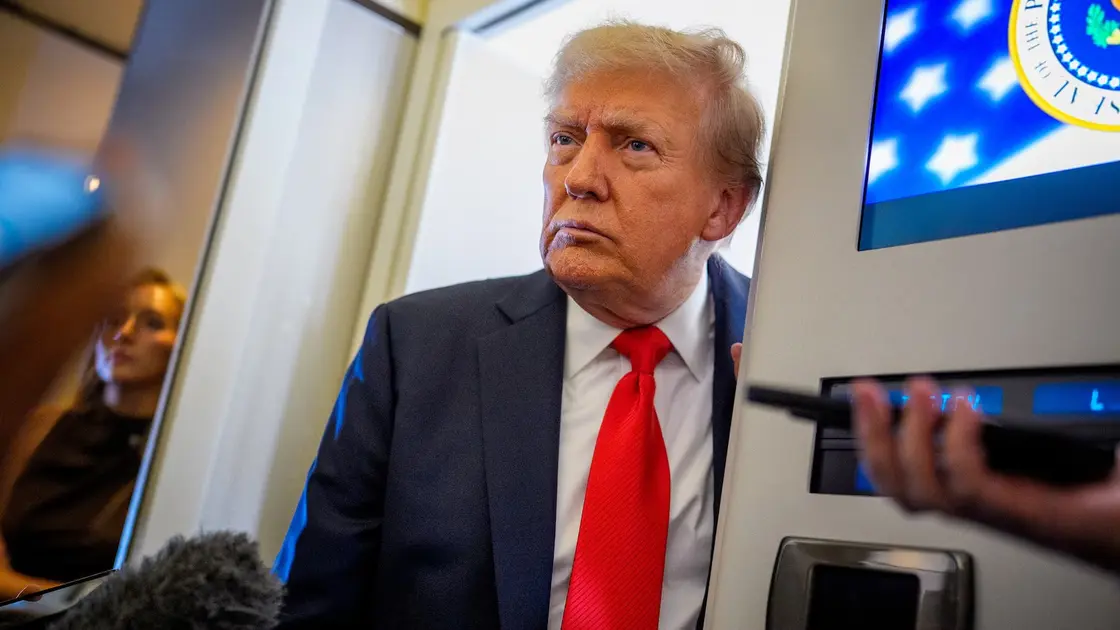


Trump announces a campaign to end mail-in ballots, arguing they invite fraud and inviting legal pushback ahead of the 2026 midterms.
Trump Pushes Movement to End Mail-in Voting
President Donald Trump posted on his social media platform that he will lead a movement to end mail-in ballots and voting machines, claiming without evidence that they cause fraud. He said he will start by signing an executive order before the 2026 midterm elections, a step likely to face immediate legal challenges. He also asserted that states should follow federal guidance, a claim that would clash with long-standing constitutional norms that grant states control over the times, places, and manners of elections.
Trump’s remarks come as mail-in voting has become a common feature in U.S. elections, supported by safeguards such as signature checks and tracking barcodes. The conversation also touched on international commentary, with Trump citing Vladimir Putin as saying that honest elections cannot occur with mail-in voting. The episode highlights ongoing tensions between federal influence and states’ electoral sovereignty, a debate that will shape how elections are run in the coming years.
Key Takeaways
"I am going to lead a movement to get rid of MAIL-IN BALLOTS, and also, while we're at it, Highly 'Inaccurate,' Very Expensive, and Seriously Controversial VOTING MACHINES, which cost Ten Times more than accurate and sophisticated Watermark Paper, which is faster, and leaves NO DOUBT, at the end of the evening, as to who WON, and who LOST, the Election"
Direct quote from Trump announcing the plan on social media
"Vladimir Putin, smart guy, said you can't have an honest election with mail-in voting"
Trump recounting Putin's view during an interview
"Well, look, this is Vladimir Putin, as usual, trying to manipulate U.S. domestic politics"
Fiona Hill commenting on Putin's influence while discussing the issue
"Putin wants to sow chaos in the American electoral system ahead of the midterms"
Context provided in coverage of the Anchorage meeting
The episode underscores a broader pattern in which calls for sweeping changes to voting rules collide with legal and constitutional realities. Pushing a federal-facing order could provoke immediate court battles and push states to defend their own election structures. It also tests public trust: when a president questions the integrity of a widely used method, it can deepen partisan divides and erode confidence in a neutral, rule-based process.
At the same time the episode exposes how international conversations can intersect with domestic politics. If foreign actors are seen as influencing U.S. election policy, the domestic political climate could grow even tenser. The real test will be whether lawmakers, courts, and election officials can separate political rhetoric from practical safeguards while maintaining broad access to the ballot.
Highlights
- Policy should serve voters, not score political points.
- Trust in ballots is the backbone of democracy.
- Rhetoric without safeguards invites legal fights.
- Rules protect instincts for fairness over heated headlines.
Political and legal risk from proposed policy shift
The proposal to end mail-in voting via executive order raises questions about constitutional authority, legal feasibility, and public trust. It is likely to trigger lawsuits and political backlash, especially in states that rely on mail-in ballots for broad voter participation.
Democracy depends on stable rules and clear safeguards, not headlines.
Enjoyed this? Let your friends know!
Related News
Trump to sign order targeting voting systems ahead of 2026 elections
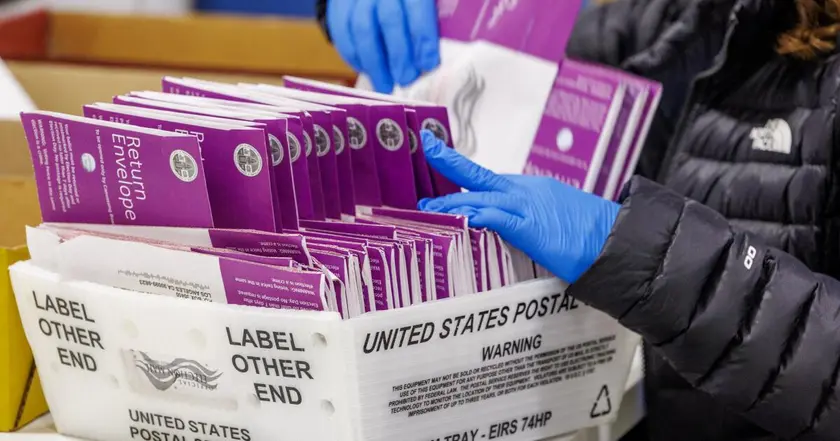
Trump targets mail-in ballots and voting machines
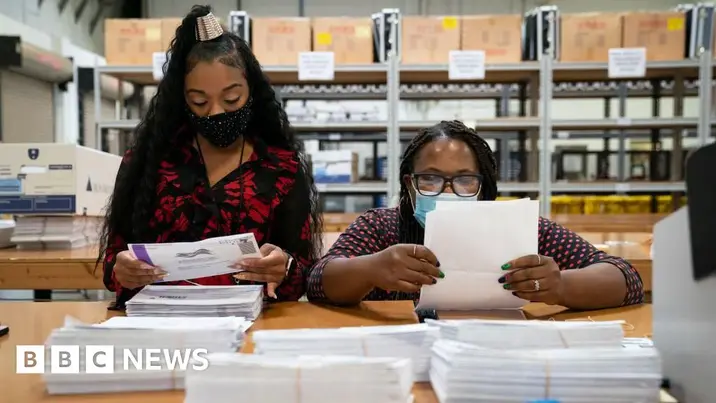
Trump pushes to end mail-in voting amid constitutional limits
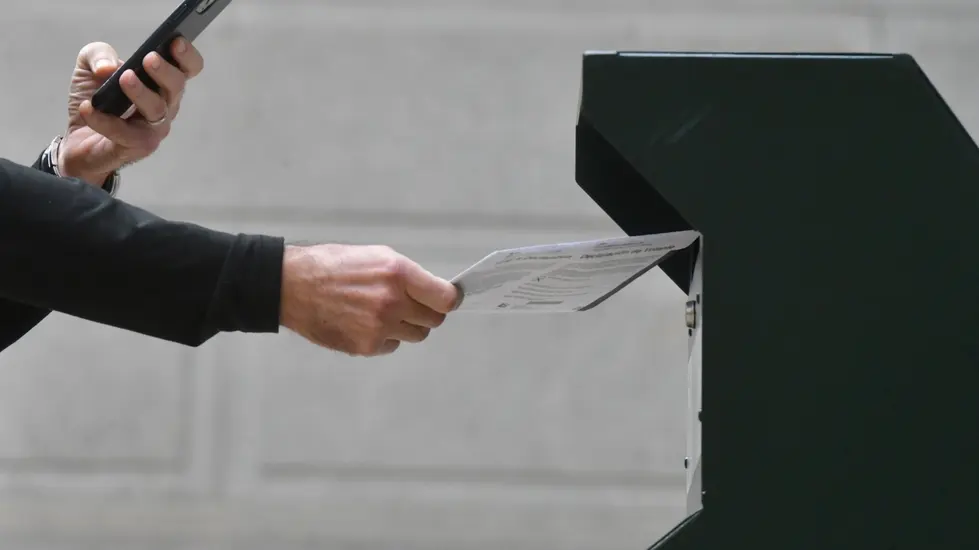
Trump plans to end mail-in voting and voting machines
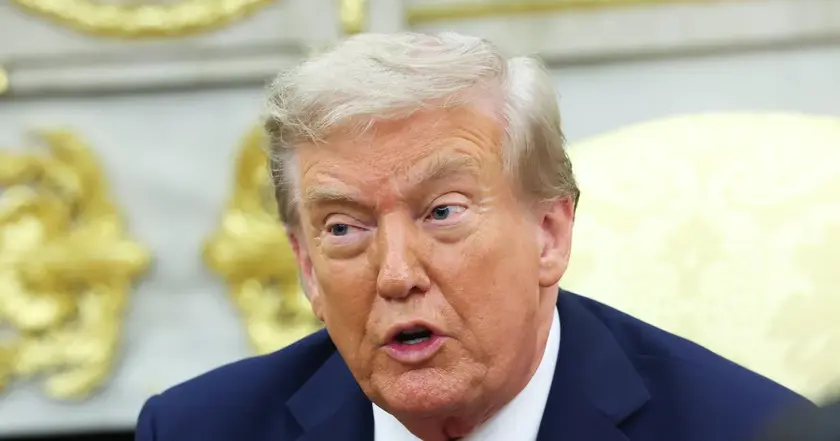
Trump pushes bid to end mail-in voting

Increased Global Pressure on Israel Due to Gaza Actions
Maga supporters express anger at Trump over Epstein
Texas Governor Abbott threatens Democrats with removal