T4K3.news
Trump plans to end mail-in voting and voting machines
Trump proposes an executive order to end mail-in ballots and some voting machines, but experts say he lacks constitutional authority.

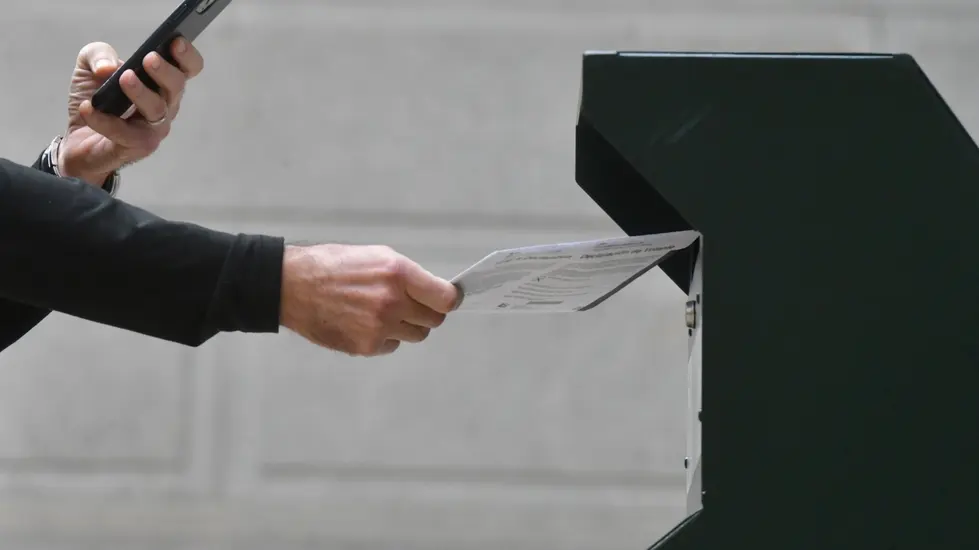


Trump seeks an executive move to end mail-in ballots and some voting machines, while experts question legal authority.
Trump pushes plan to end mail-in voting and voting machines
President Trump announced on Truth Social that he intends to sign an executive order to end mail-in ballots and potentially some voting machines ahead of the 2026 midterms. He argued that mail ballots are corrupt and that machines are expensive and unreliable, urging Republicans to take a tougher approach.
Legal experts say the president cannot unilaterally remake how elections are run. They note that Congress, not the president, has the power to regulate federal elections. Even if an executive order were drafted, litigation would be likely, and states would still need to adjust laws or procedures to implement any changes before voting begins. Several scholars and election officials say moving quickly on such a plan is logistically challenging and could disrupt planning already underway for next year’s primaries and state primaries.
Key Takeaways
"Hamilton foresaw, and made clear in Federalist 59 that a democracy must diversify power of elections in order to protect itself from an overzealous executive, and therefore power over elections would reside with the several states."
Becker cites Founders intent to reserve election power to states
"Unless the president has some theory under which he could try to ban certain kinds of voting machines or tried to ban mail in ballots by enforcing some existing federal law, he would need the cooperation of Congress."
Hasen explains limits of executive power over elections
"It would be nearly impossible to actually get rid of mail-in voting in such a short timeframe."
Warner assesses feasibility and timing
"This is yet another power grab of federal overreach into the states' rights to run their own election."
Warner criticizes federal overreach
The move exposes a wider debate about how much power the federal executive should have over elections. Advocates of tighter voting controls say the changes could improve security, while critics warn it would undermine trust in the system and burden voters who rely on mail ballots. The episode reinforces how election rules stay largely with states, even when political rhetoric calls for sweeping reform. The real test will come in courts and legislatures, where constitutional limits and practical logistics collide.
Highlights
- Power belongs to the states over elections
- Shortcuts in democracy rarely fix problems
- Courts and Congress will decide the path forward
- Trust in process beats quick fixes
Political sensitivity and potential backlash
The proposal touches on voting methods and federal authority, inviting litigation and political backlash as states and courts decide how elections are run.
The coming months will reveal how much can be changed through executive action or the courts
Enjoyed this? Let your friends know!
Related News
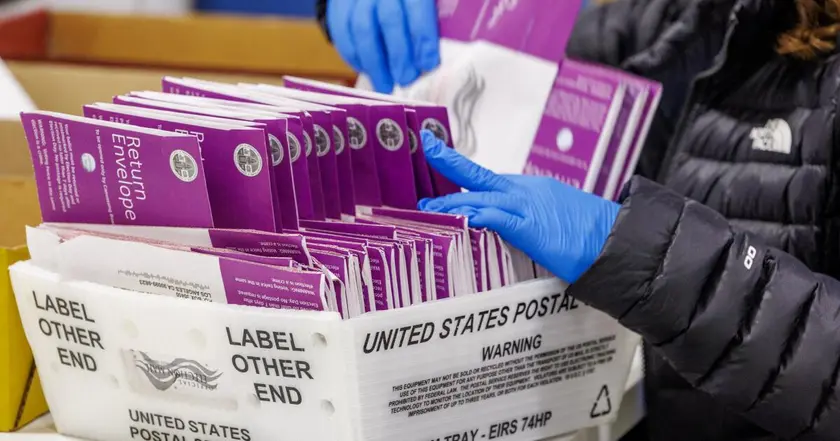
Trump targets mail-in ballots and voting machines
Trump to sign order targeting voting systems ahead of 2026 elections
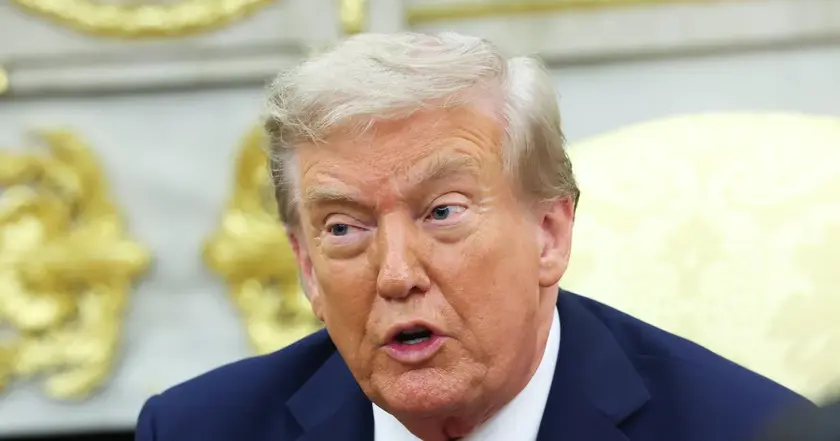
Trump pushes bid to end mail-in voting
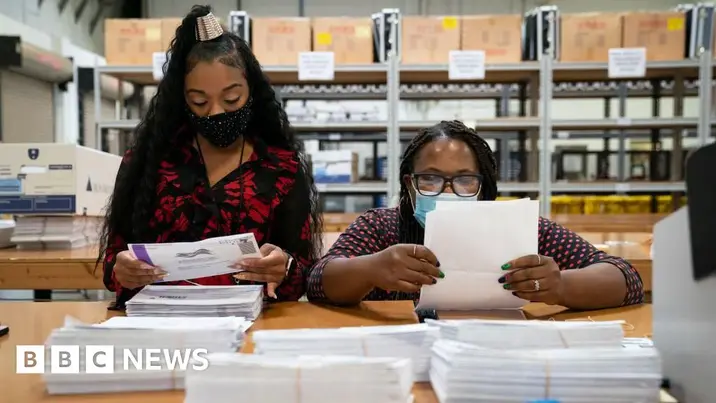
Trump pushes to end mail-in voting amid constitutional limits
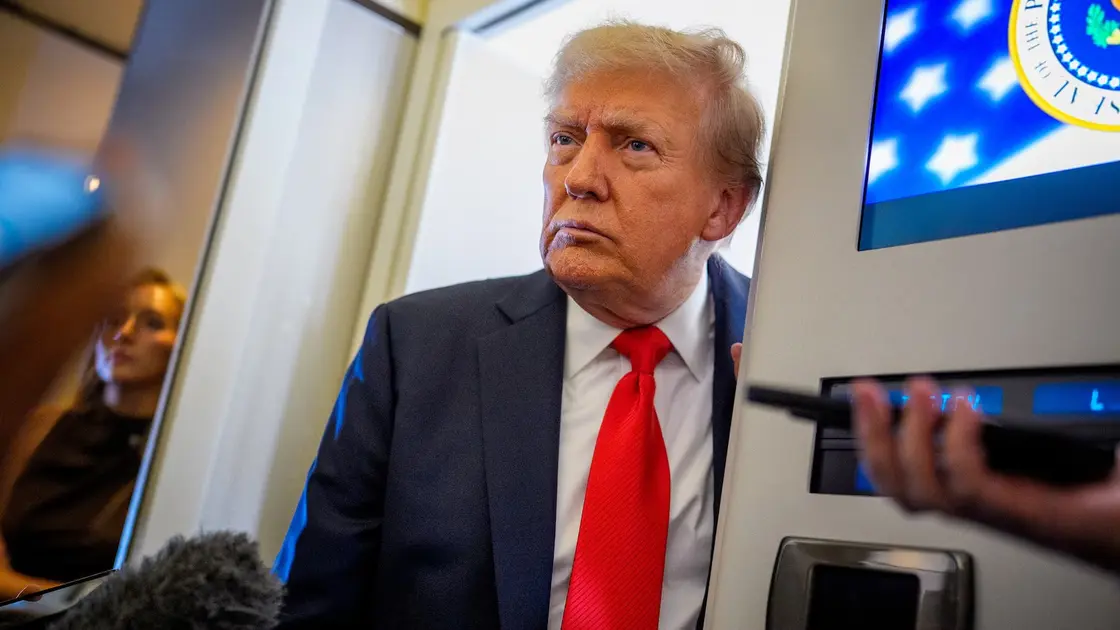
Trump Pushes Movement to End Mail-in Voting
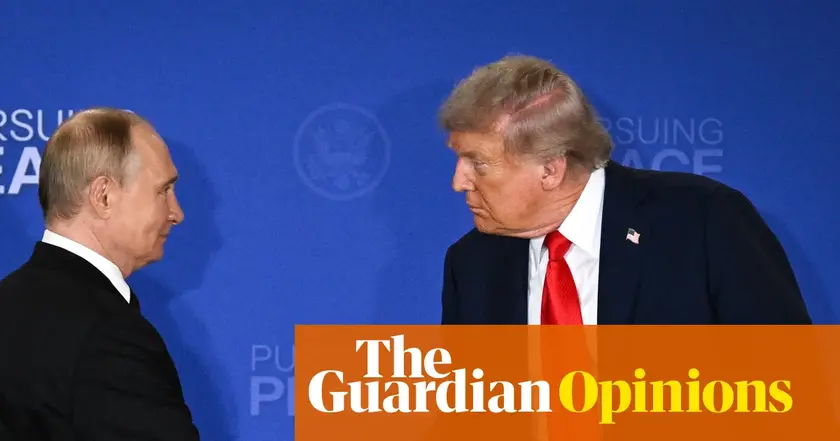
Trump Summit in Alaska Exposes Policy Chaos
Trump claims to end six wars in six months
Putin Wins Leave Trump Facing Tough Choices