T4K3.news
Axial Seamount Update
Scientists say Axial Seamount shows signs of preparing for eruption as sensors track uplift and seismic activity.

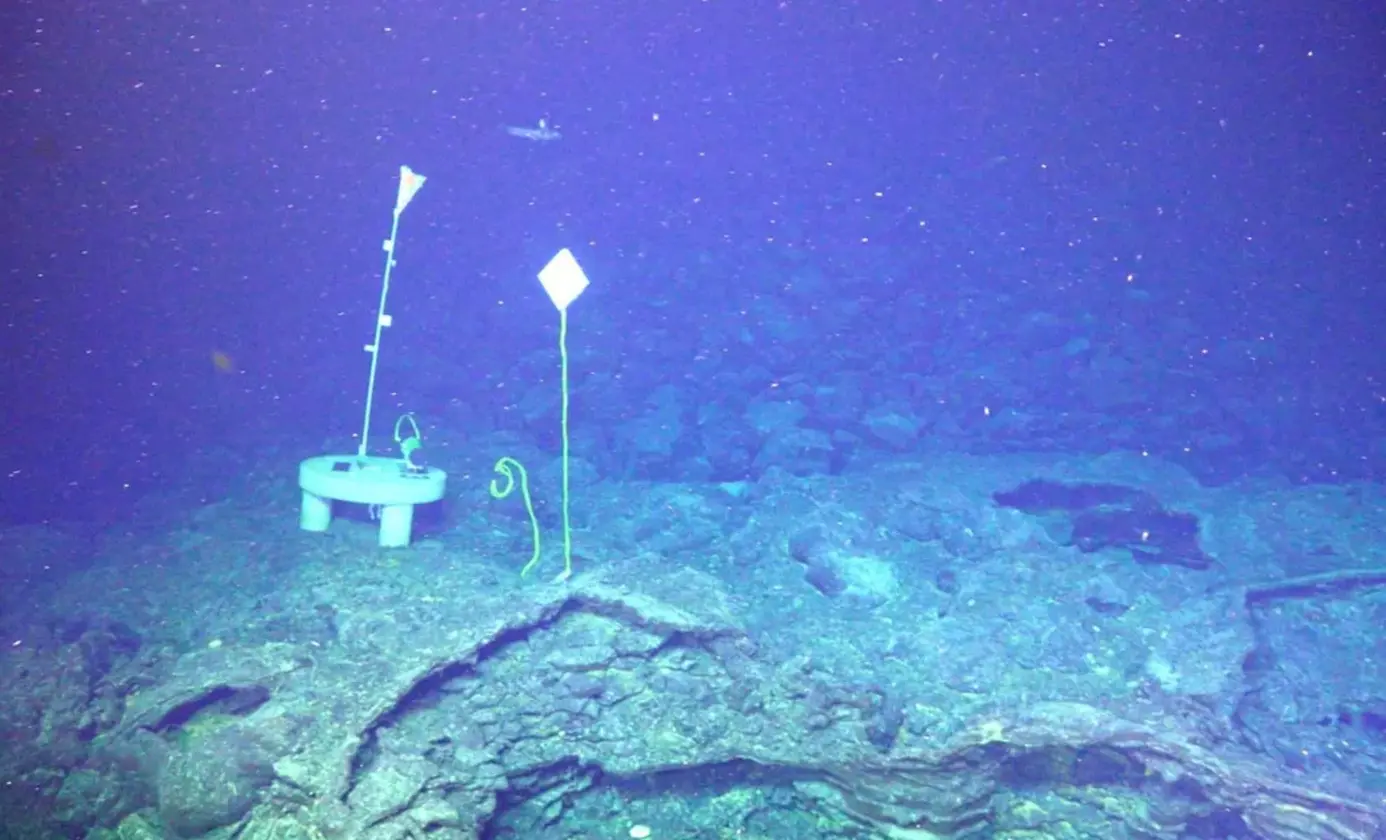


Researchers monitor Axial Seamount, the Northeast Pacific's most active submarine volcano, as signs point to another eruption.
Axial Seamount Set to Erupt Again in 2025
Axial Seamount, the Northeast Pacific's most active submarine volcano, shows signs of preparing for another eruption. Scientists reported in Nature Communications that seismic activity and ground swelling indicate magma moving toward the sea floor, with uplift after 2024 exceeding levels seen before the last eruption.
Located about 480 kilometers west of Oregon, Axial sits on the Juan de Fuca Ridge and has erupted in 1998, 2011, and 2015. Because it lies underwater, its activity is less dramatic for people, but it remains a key source of data for understanding how magma chambers inflate and fissures form. Real-time sensors on the seafloor track uplift, microearthquakes, and changes in hydrothermal activity.
Key Takeaways
"Axial is the most active volcano in the Northeast Pacific which maybe some people don’t know, because it’s hidden under the ocean."
Statement highlighting Axial's hidden activity.
"The reason for the connection between the high-melt zone and the focusing of eruptive fissures near the eastern caldera wall in 1998, 2011, and 2015 remains unclear."
Comment on gaps in understanding eruption patterns.
"Unlike on land, these eruptions are rarely destructive to human settlements, but they play a fundamental role in shaping the seafloor and regulating hydrothermal ecosystems."
Notes ecological and geological impact of submarine eruptions.
"Axial Seamount is not just a geological curiosity, it is one of the best natural laboratories for studying submarine volcanic processes."
Describes Axial's value as a research site.
The latest signals reinforce Axial's role as a natural laboratory. Submarine eruptions unfold under high pressure, rapid cooling, and strong seawater interactions, offering data that can illuminate volcanic behavior beyond land. The research also shows how sensor networks enable long-term monitoring of remote vents, a model for watching other large volcano systems worldwide. Yet there is much scientists still don't know about magma movement and eruptive patterns.
Highlights
- The ocean keeps Axial in the shadows, but science is listening.
- Data from seafloor sensors turns submarine eruptions into real time lessons.
- Magma moves beneath the waves, rewriting what we know about eruptions.
- A quiet giant Axial may redraw the map of ocean volcanism.
Uncertainty and ecological risk in submarine eruption monitoring
Forecasting undersea eruptions remains uncertain and data gaps could affect scientific publishing and ecosystem management. The ecological impact on deep-sea vent communities is not fully understood.
The sea keeps its secrets, and science keeps listening.
Enjoyed this? Let your friends know!
Related News
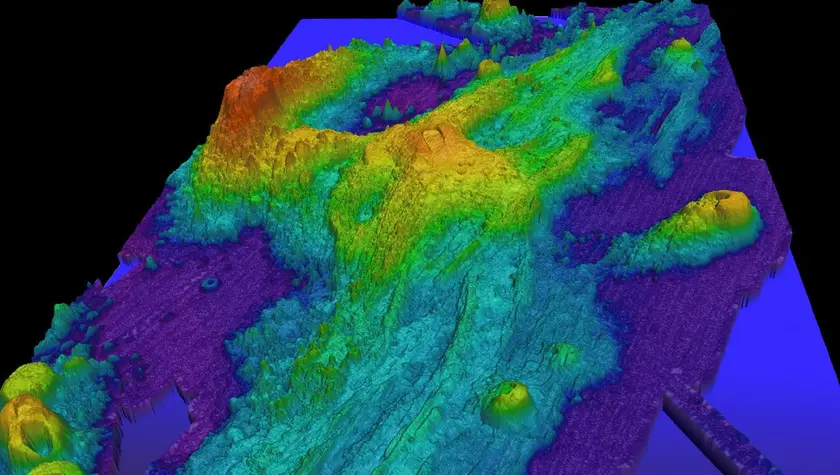
Axial Seamount set to erupt
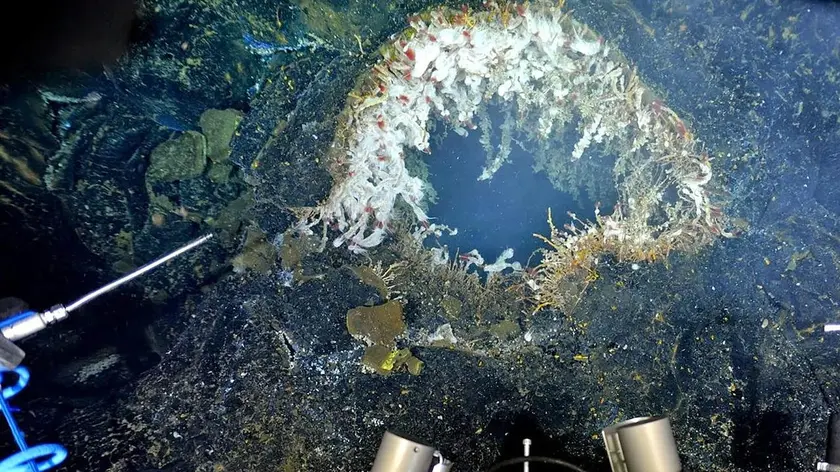
Axial Seamount expected to erupt soon
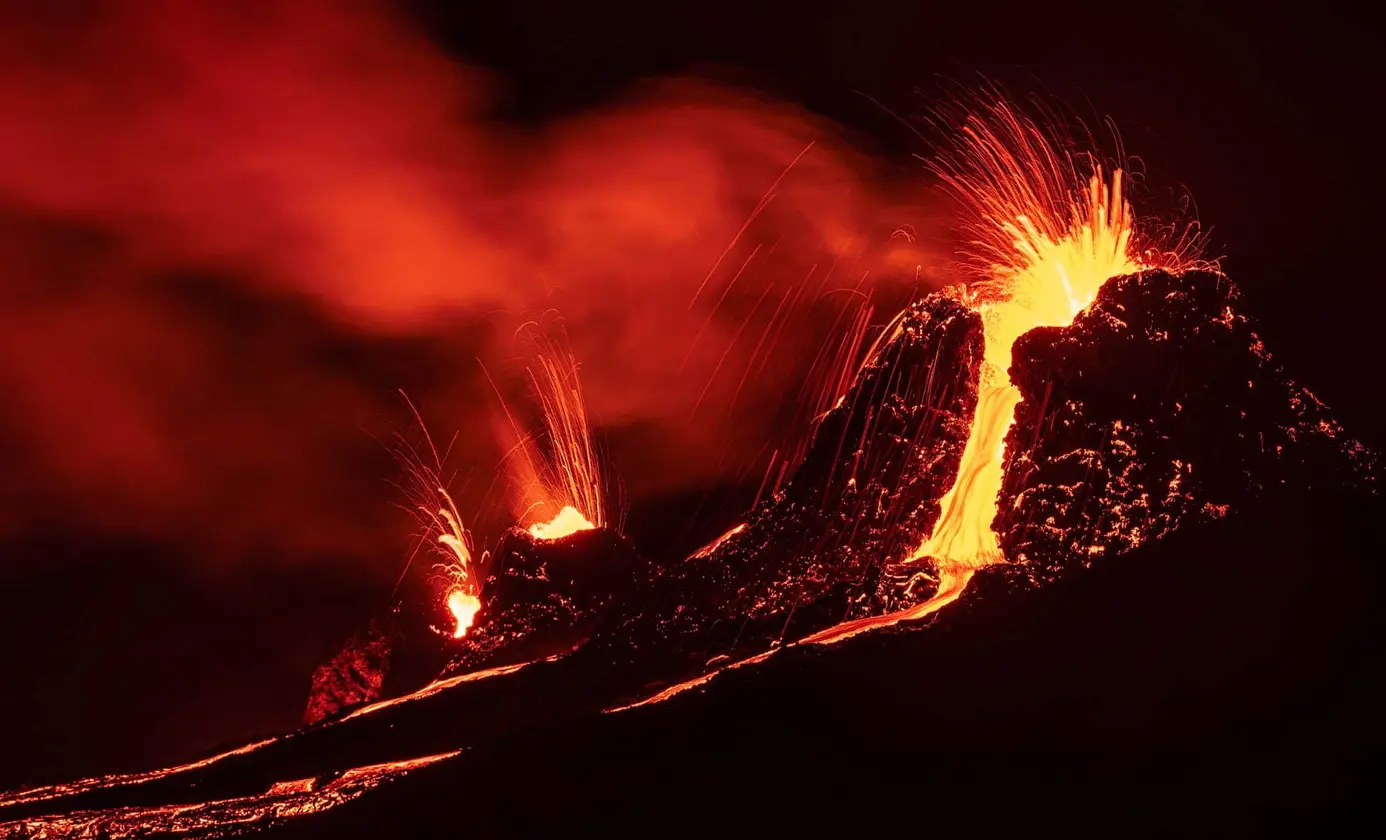
Volcanic Activity Increases Threat Level in Pacific Region

Diablo IV 2.4.0 PTR Preview

Guilty Gear Strive Switch update confirmed for Fall 2025

New update for Super Mario 3D World released

New Nintendo Switch 2 Update Released

Nintendo releases Version 20.2.0 update