T4K3.news
Axial Seamount set to erupt
A submarine volcano off the Oregon coast shows how science, funding and policy intersect as researchers monitor possible eruption in 2025.

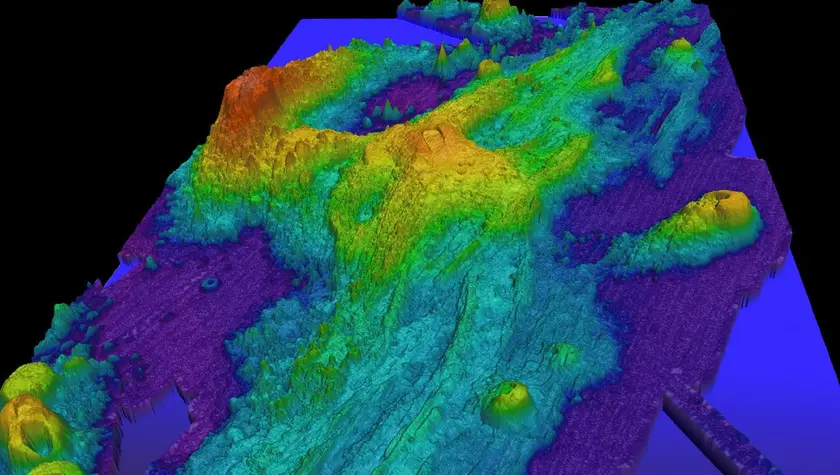


A deep sea volcano off Oregon could erupt in 2025, highlighting the tension between scientific value and funding pressure.
Axial Seamount Eruption Tests Ocean Science Amid Funding Cuts
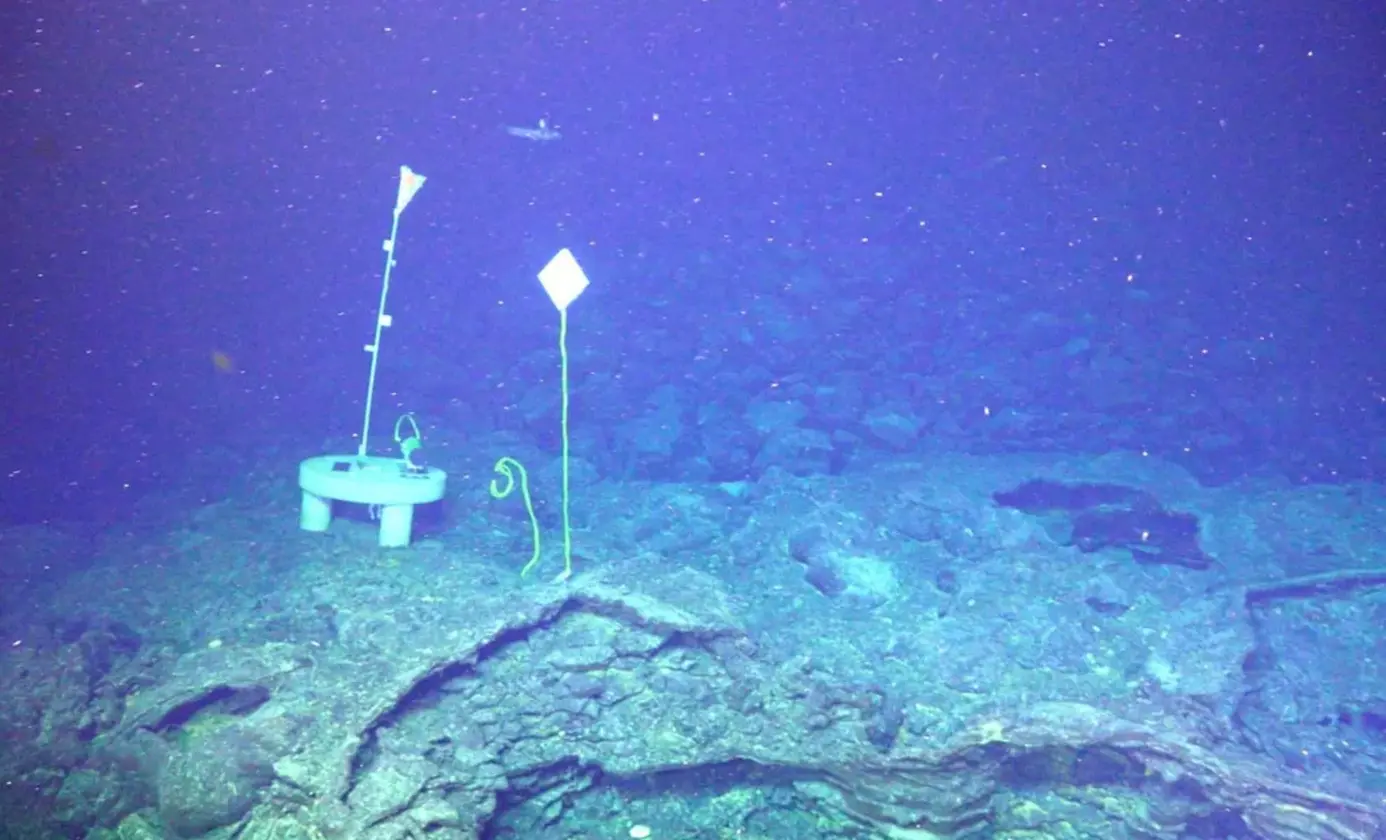
Axial Seamount lies about 300 miles west of Cannon Beach, Oregon. It sits on the edge of the Juan de Fuca plate and has erupted before, most recently in 2015. Scientists say signs point to an eruption later in 2025. The site is closely watched because it hosts a dense network of sensors, cameras and instruments. The fiber optic cable there provides power and data to many devices on the seafloor, creating a rare window into deep sea life and vent systems.
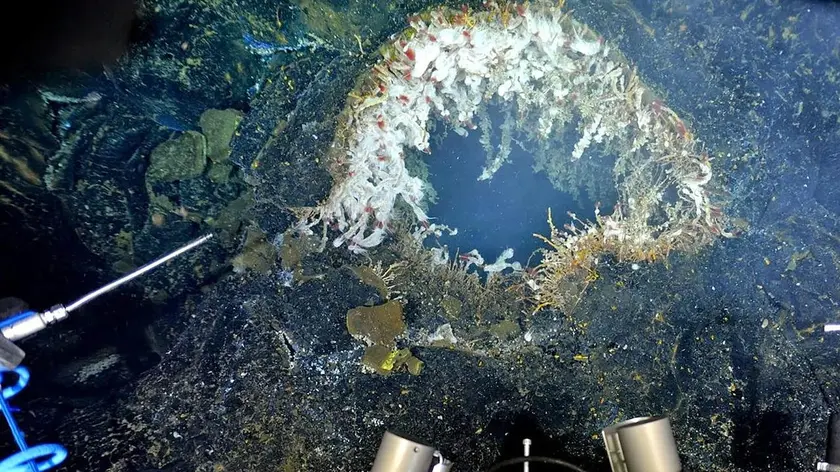
Researchers see Axial Seamount as a natural lab for studying how life began in vents and how microbes survive in extreme heat and chemicals. The seamount also comes with a warning: deep sea mining firms are looking at the same area for metal resources. An eruption would test these fragile communities and could change how scientists collect data if equipment is damaged or destroyed.
Key Takeaways
"They have laid down miles and miles of fiber optic cable that are connected from Newport, Oregon, all the way out to Axial Seamount."
Describes monitoring infrastructure
"It’s cool to see how these microbes are going to respond to big perturbations like eruptions, because we're also disturbing these deep sea environments through mining."
Researcher comment on microbial response and mining
"If the eruption happens we dont know how well we'll continue the project afterwards, if things are destroyed."
Funding and continuity concern
The science payoff is huge, but so is the risk. Axial Seamount shows why continuous funding matters. Yet recent budget cuts to key agencies raise questions about the long term future of such projects. The result could be a quiet loss of data and momentum even as the ocean delivers urgent lessons about life, climate and resources. The tension is not just about volts and vents; it is about who pays for the long game of discovery and who bears the cost when science meets big budgets.
As policy makers debate priorities, scientists need stable funding to maintain monitoring networks. The event could become a case study in how research survives or falters when money tightens. The bigger risk is that a major eruption could erase years of careful observation in a single blast.
Highlights
- This is the most closely watched patch of ocean floor on Earth
- Were disturbing these deep sea environments through mining
- How quickly do these microbes respond to big perturbations
- If the eruption happens we dont know how well we will continue the project
Funding cuts threaten long term ocean monitoring
The planned eruption highlights how budget decisions affect the ability to monitor and study deep sea processes. If equipment is damaged or data lost, the scientific record may be incomplete. The intersection of a natural event with political decisions on science funding raises concerns about long term knowledge and public accountability.
The ocean keeps teaching us about resilience and limits.
Enjoyed this? Let your friends know!
Related News
Axial Seamount Update
Axial Seamount expected to erupt soon
Volcanic Activity Increases Threat Level in Pacific Region

Diablo IV 2.4.0 PTR Preview

New hotfixes released for World of Warcraft gameplay issues

Rapid CO2 rise could trigger mass extinction

Battlefield 6 beta controller guide released
Yellowstone National Park limits access after Black Diamond eruption