T4K3.news
Migrant hotel protests draw police presence in London and Essex
Protests outside migrant hotels in Canary Wharf and Epping drew a police response, with six arrests in London and a peaceful Essex demonstration.



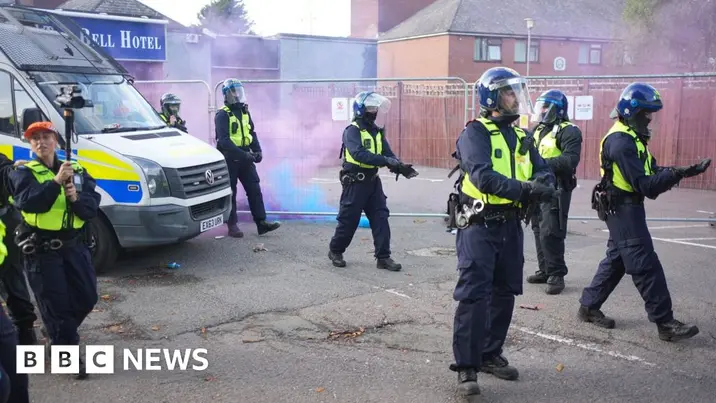
Protests outside migrant hotels in Canary Wharf and Epping drew a notable police response and several arrests.
Migrant hotel protests draw police presence in London and Essex
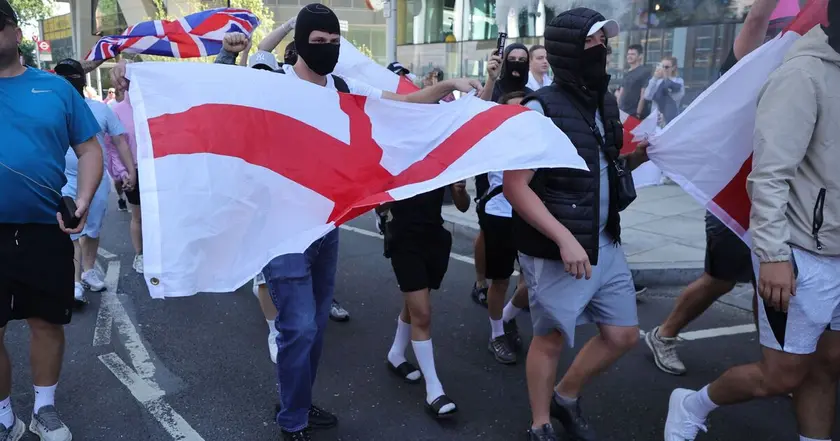
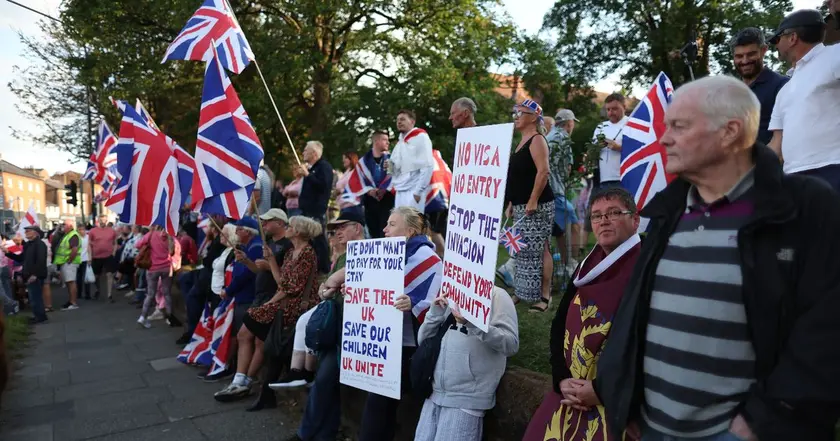
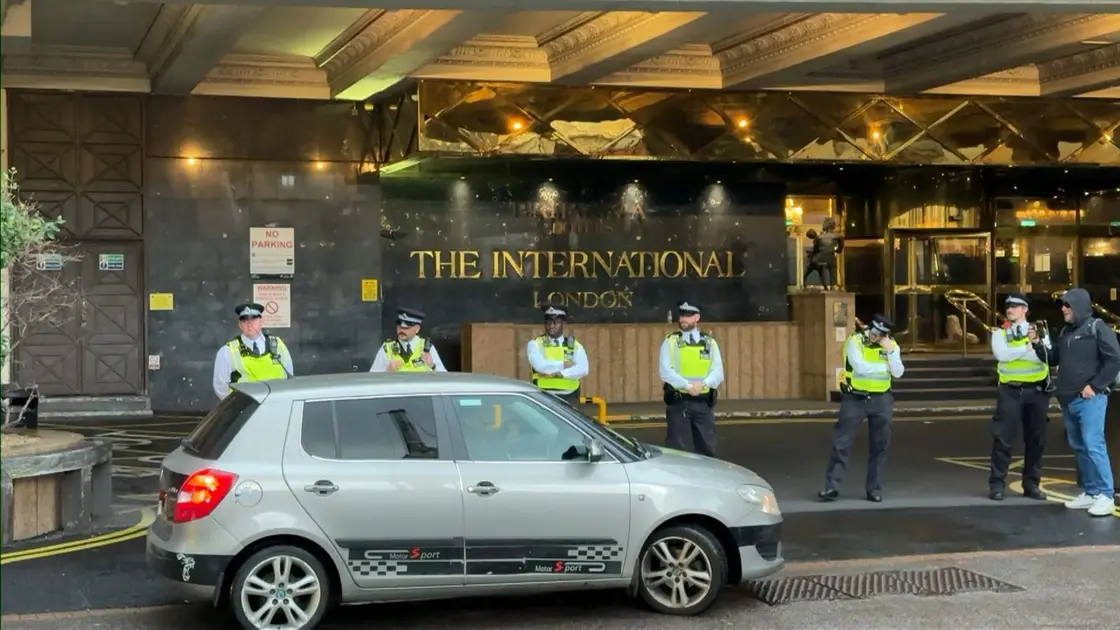
Two protests targeted migrant hotels in London and Essex on Sunday, drawing a visible police presence around the Britannia Hotel in Canary Wharf and outside The Bell Hotel in Epping. The Metropolitan Police said it had used Section 14 of the Public Order Act to impose conditions to prevent serious disruption as the demonstrations unfolded. By late afternoon, police reported six arrests in London and did not provide further updates. Essex Police described the protest outside The Bell Hotel as peaceful, adding no arrests and no advance policing orders, and stating that a proportionate policing plan kept resident communities safe throughout the protest.
Shadow Justice Secretary Robert Jenrick joined the London protest and said it was “great to be with peaceful, patriotic protesters.” He later posted on X urging Starmer to listen to people’s concerns and act to keep them safe.
Key Takeaways
"great to be with peaceful, patriotic protesters"
Jenrick’s remark during the London protest visit
"Starmer should get out of Westminster, listen to people’s concerns, and act to keep us safe"
Jenrick’s post on X urging Starmer
"Our proportionate policing plan ensured all resident communities were kept safe throughout the protest"
Essex Police statement
The weekend events lay bare a persistent tension in Britain’s migration debate. Public safety, housing for migrants, and city life collide with high-level politics as parties frame migration policy in the run-up to elections. Police use of Section 14 signals readiness to curb disruption, but it can feed a narrative that protests threaten public order, potentially widening political divides. The contrast between the London arrest tally and the peaceful Essex demonstration highlights uneven local dynamics and the need for clear, compassionate messaging from officials to prevent stigma against residents and migrants alike.
Going forward, the incident may influence how politicians talk about security, housing, and community trust. For communities near migrant housing sites, the events could sharpen demands for practical solutions and better communication. For law enforcement, the challenge is to balance rights to protest with the need to protect residents and maintain calm, while avoiding actions that could be exploited by critics of policing tactics or migration policy.
Highlights
- Peaceful voices deserve to be heard without fear.
- Safety and dignity must travel together.
- Let communities breathe while voices are heard.
- Policy debates need action not slogans.
Political sensitivity and public reaction
The protests touch on migration policy and public sentiment, creating potential for political backlash and heightened public scrutiny. The coverage could influence voters and policymakers, raising questions about policing tactics and housing for migrants.
Voices on migration continue to intersect with city life and policy, shaping the debate ahead
Enjoyed this? Let your friends know!
Related News
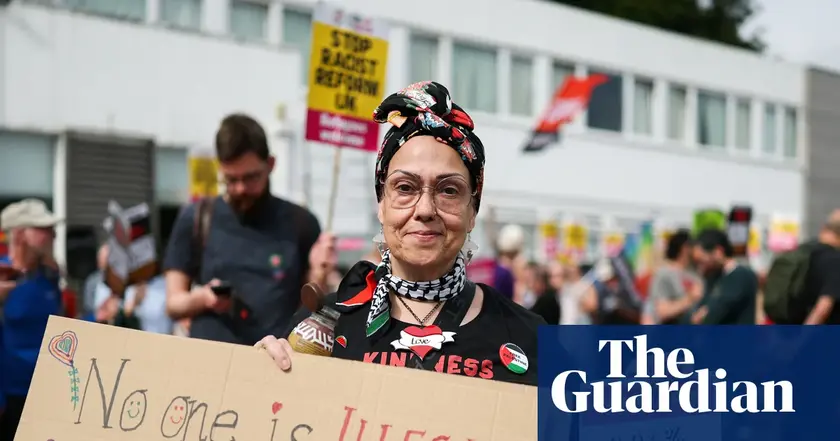
Falkirk protests test community response
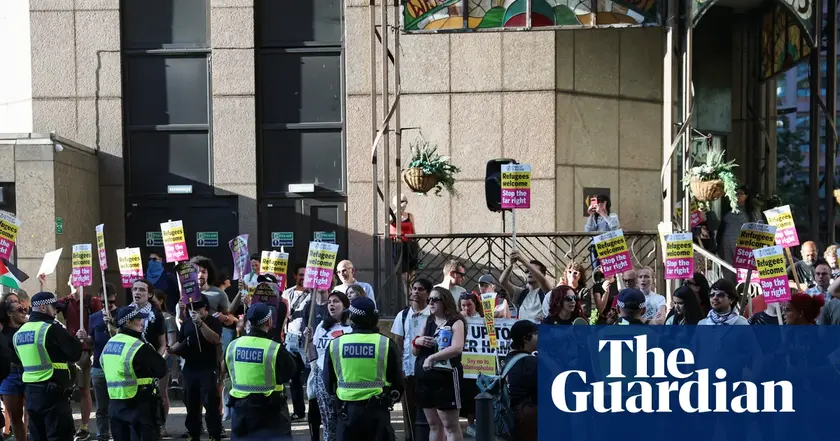
Police deploy 3000 riot officers for weekend protests
Protests flare outside Altrincham asylum hotel

Six arrested in Epping protests against asylum seekers

Hundreds demonstrate against asylum seekers in Essex hotel
Protest outside London hotel housing asylum seekers
Concerns rise over crime linked to London hotel housing migrants
Essex Police denies Farage's accusations about protest transportation