T4K3.news
Late Show ending in 2026
CBS says The Late Show will end in May 2026 for financial reasons, not performance.




Kimmel disputes reports that The Late Show lost 40 million annually and notes other revenue streams while CBS frames the cancellation as a financial decision.
Kimmel challenges claim Colbert show lost 40 million
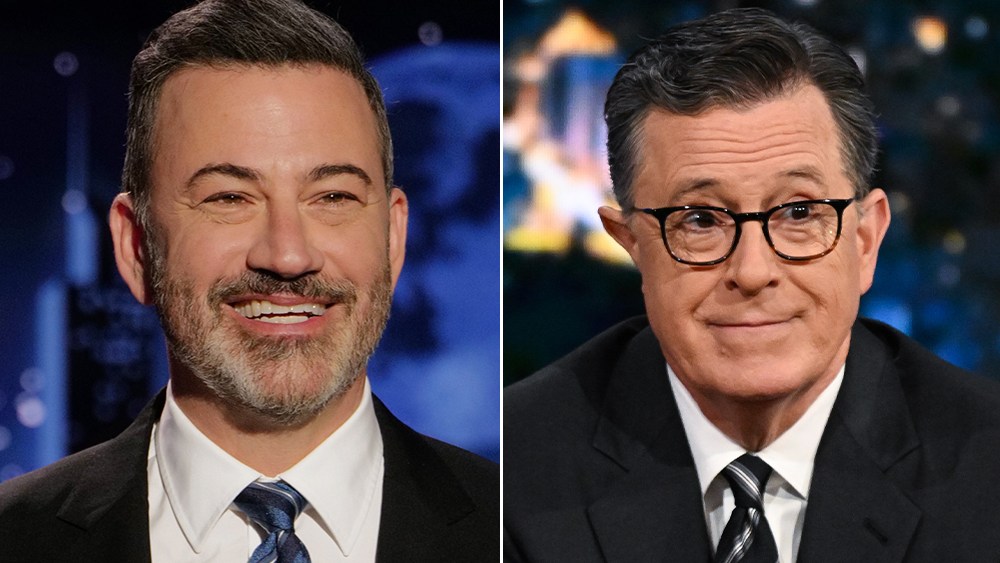
Jimmy Kimmel pushed back on reports that The Late Show with Stephen Colbert was losing 40 million a year. In a recent interview with Variety, he argued that such figures ignore affiliate fees and other income streams that are part of late night budgets. He said the numbers circulating focused on ad revenue alone and left out a big part of the money that flows through networks and distributors. CBS announced last month that The Late Show will end in May 2026, saying the decision was financial and not tied to the show's performance or content.
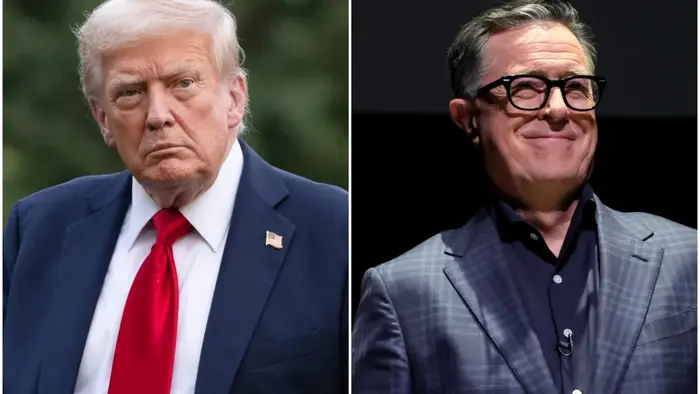
The article also notes a broader corporate backdrop, including Paramount settling a 16 million dollar lawsuit with Donald Trump over a 60 Minutes interview and its merger with Skydance that required FCC scrutiny. Some observers have wondered if politics or public perception played a role in the timing of the cancellation. Trump denied involvement in a Truth Social post, while Kimmel suggested budget chatter remains murky. Industry observers say late-night budgets depend on multiple streams beyond ad sales, including affiliate fees and distribution deals, which complicate the budget math behind any one show.
Key Takeaways
"There’s just not a snowball’s chance in hell that that’s anywhere near accurate."
Kimmel disputes the $40 million loss figure.
"The cancellation was purely a financial decision and not related to the show's performance."
CBS public statement on The Late Show end.
"The reason he was fired was a pure lack of TALENT"
Trump on Truth Social expressing view about Colbert's firing.
The dispute exposes how audiences hear about the money side of late-night TV. Advertisers care about ratings, but networks also chase affiliate fees, streaming deals, and licensing. When a network frames a cancellation as purely financial, it may hide a broader strategic shift in programming, ownership, and regulatory risk from mergers. The Trump episode adds a political layer that can affect public reaction and investor confidence. For readers, the lesson is to look beyond headlines and ask who benefits from a given budget story and what other costs are at play in a big media franchise.
Highlights
- There’s not a snowball’s chance in hell that that’s anywhere near accurate.
- The cancellation was purely a financial decision and not related to the show’s performance.
- The reason he was fired was a pure lack of TALENT
- They keep paying us and that’s kind of all you need to know
Financial and political sensitivities around late night budgets
The report touches on money, politics, lawsuits, and investor reactions. The handling of these details can influence public opinion and market confidence, so clear, verifiable data is essential.
The outlook for late-night finances will hinge on what numbers networks choose to publish and who questions them.
Enjoyed this? Let your friends know!
Related News
CBS ends The Late Show in 2026

Late-night TV faces a big change
Skydance explains Late Show cancellation
CBS cancels Stephen Colbert's Late Show amid controversy
CBS cancels Stephen Colbert's Late Show amid political tensions

John Oliver speaks out on Colbert's show cancellation
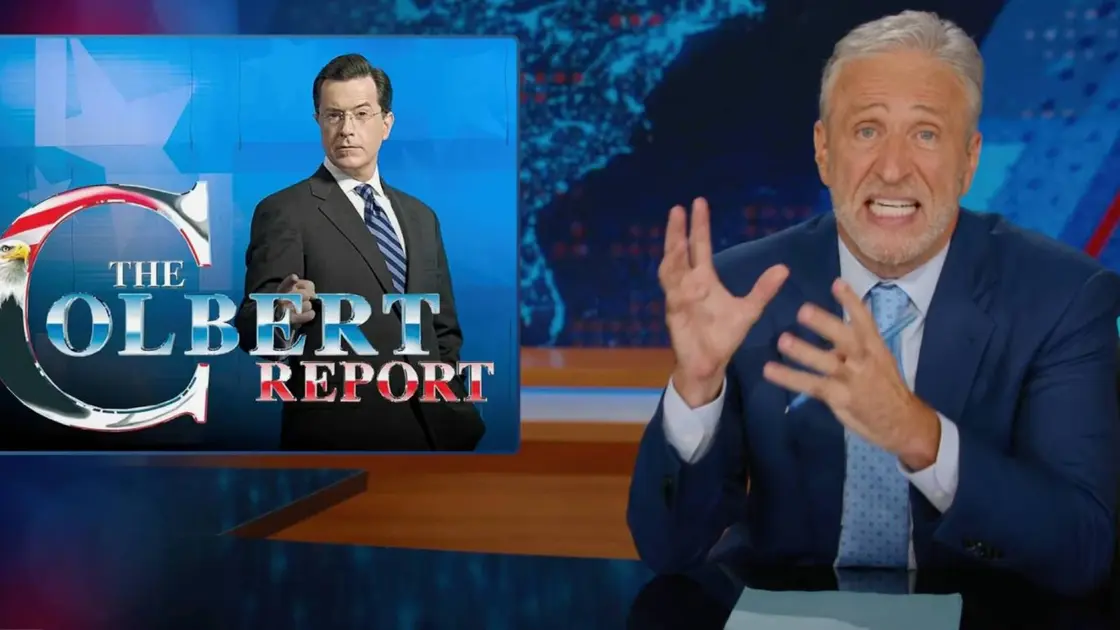
Jon Stewart stands against CBS cancellation of Late Show
Jon Stewart discusses uncertainty of The Daily Show