T4K3.news
Heyward ends hold-in as season looms
Cameron Heyward ends his hold-in with the Steelers and prepares for Week 1 after contract talks.

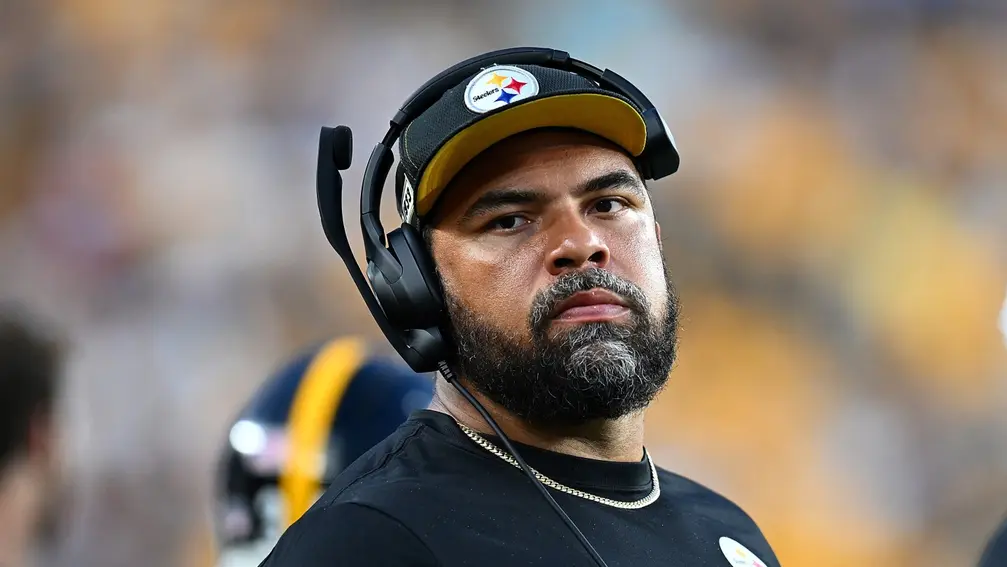


A veteran hold-in ends as the season nears, illustrating how NFL contracts blend leverage, performance and timing.
Cameron Heyward proves yet again that all hold-ins must eventually end
Cameron Heyward ended his hold-in and will prepare for Week 1 with roughly three weeks to practice. He signed a three-year deal last year and has said that if he has an All-Pro season, he would return. The hold-in did not produce a revised contract, and the Steelers are not required to pay more unless they choose to. The team has a longstanding rule of not changing contracts once the season starts.
The article contrasts Heyward with Micah Parsons, who negotiated a slotted fifth-year option with a fixed salary. Heyward chose not to wait for a bigger payout and instead joined the team on his terms, a decision that reflects a veteran player balancing loyalty and bargaining power. The Steelers’ approach to contract talks remains in the off-season orbit, making a Week 1 renewal or a desire for more money a separate pursuit from in-season negotiations.
Key Takeaways
"When I signed [last year], I told them, you know, when I have an All-Pro year, expect me to come back."
Heyward’s explicit promise to return after an All-Pro season.
"I think everybody giggled a little bit, but in my head, I used it as motivation."
Heyward reflecting on the reaction to his contract stance.
"No incentives. No escalators. Nothing."
A point the piece uses to highlight the contract’s limitations.
The hold-in is a tool players use to test leverage without sitting out games. Heyward used it to signal that production should translate into pay, and the result underscores how performance can influence a contract but often within the limits of the team's framework.
The comparison with Parsons highlights how league dynamics shape bargaining power. Younger players with fixed, slotted deals have less room to bargain, while veterans can press for more when they show high value in peak years. For teams, hold-ins carry the risk of disrupted camp tempo and public scrutiny. For players, they offer leverage but do not guarantee a larger payout once the season opens.
Highlights
- Hold-ins test patience more than pay
- The field writes the final chapter on a contract
- Performance makes promises stick
- A veteran move carries risk and reward
Financial stakes and public scrutiny of veteran hold-ins
The piece centers on contract leverage and the potential budget impact for the team, along with the risk of public backlash over hold-ins and payout expectations.
The field settles the debate, not the deadline clock. Future hold-ins will be measured by what teams are willing to pay for on-field impact.
Enjoyed this? Let your friends know!
Related News

Transfer news intensifies as deadline approaches

Call of Duty Season 5 Goes Live Tomorrow

Kuminga and Warriors negotiations reach a tense point
Heyward holds in as Steelers negotiate contract

Heyward Holdout Tests Steelers Payroll

Steelers prepare for training camp amid roster uncertainties
Fantasy preseason update

Palou seals fourth IndyCar title