T4K3.news
Europe urged to choose a single voice for Washington talks
A unified European spokesperson could shape the next phase in Ukraine and security negotiations in Washington.

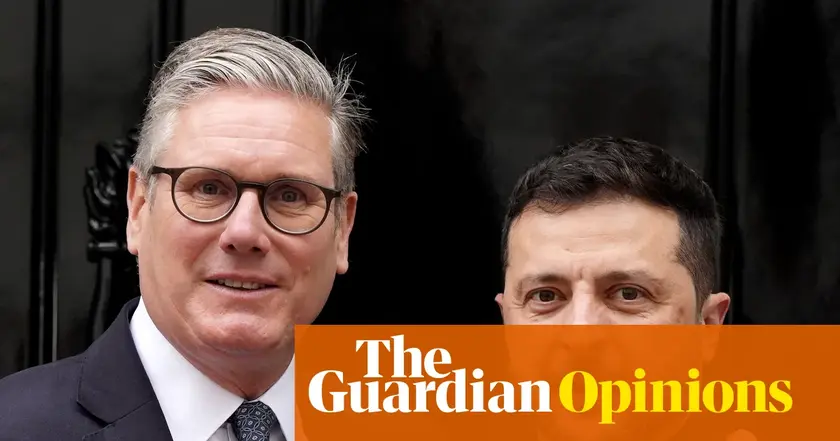


A former diplomat argues that a unified European voice could shape a pivotal Washington gathering on Ukraine and security.
Europe must have a single spokesperson for Washington meeting
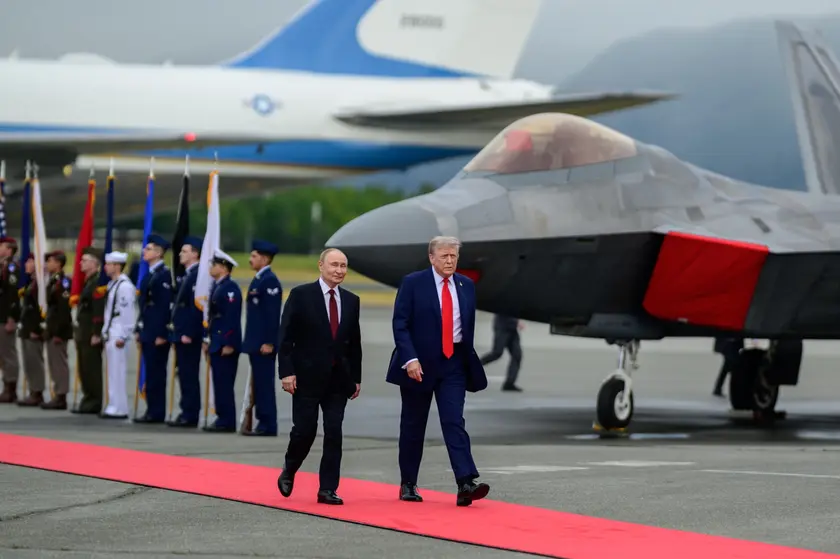
Last week’s Alaska summit set an unusual tone for diplomacy, with a Washington meeting now planned among the United States, Ukraine, Europe, and allied partners. The proposal is bold: Europe should speak with one voice, and Keir Starmer or Mark Rutte are floated as the lead European spokesperson. The gathering will be conducted in English, with Zelenskyy interpreted, and only two participants among the European leaders are native English speakers. Officials are preparing briefing packs and talking points, but the author argues the traditional format of each leader making a stand-alone statement won’t suffice. Instead, a coordinated, live, and interpreter-assisted exchange is seen as the better path to clarity and momentum.
The piece outlines three central players in the talks— the United States, Ukraine, and Europe— and suggests a tight, disciplined dialogue where Europe presents a unified front, even if that means political concessions. It highlights the language dynamics and the risk of missteps, noting Finland’s Alexander Stubb and NATO’s Mark Rutte as near-native English speakers who could help keep Europe’s line steady. The author also points to Russia’s likely pushback, and to the real question: what kind of security guarantees and NATO connection could Ukraine accept as part of a broader peace framework? The Washington meeting is described as odd but potentially transformative if Europe leverages a single spokesperson and a sharper, more coherent message.
The analysis warns that the outcome will hinge on credibility and enforceable guarantees. A move toward a full security framework and possible NATO inclusion for Ukraine could alter the strategic calculus for Moscow, even as it raises political risk at home in several European capitals. The piece argues that a credible, well-backed path from Washington could convert a fragile ceasefire into a durable settlement, but only if the participants accept a degree of compromise and a disciplined approach to negotiation.
Key Takeaways
"The usual format of each leader making a statement just won’t cut it"
Author argues for changing traditional formats
"There will be only two native English speakers"
Language dynamics in the meeting
"Europe should have a single spokesperson"
Key recommendation for Europe
"There is no deal until there is a deal"
Trump’s line quoted in the Alaska setting
The piece frames a Washington gathering as a turning point, not just another meeting. If Europe can deliver a united message and a clear commitment to concrete security guarantees, Western allies may present a stronger, more investable path to peace. Yet the plan is politically delicate: a single European voice can unite allies, but it can also provoke backlash at home if concessions are seen as weak or miscalculated. The strategy depends on credibility, discipline, and a willingness to risk a hard bargain with Kyiv and Moscow. The risk is high that misreads or language slips could derail negotiations, making the talk again look like optics rather than leverage. Still, the argument is that bold diplomacy, not hesitation, is required to move past a stalemate that has persisted for far too long.
Highlights
- One voice in Washington could cut through the noise
- Unity now is a powerful tool for a fragile peace
- There is no deal until there is a deal
- A single European speaker changes the diplomatic math
Political sensitivity and potential backlash
The proposal to centralize Europe’s speaking role and the broader strategy for Ukraine carries high political sensitivity across multiple capitals. A misstep could trigger domestic backlash, complicate public reaction, and affect investor confidence in ongoing security commitments.
A clear voice from Europe could redefine the next stage of security in the region.
Enjoyed this? Let your friends know!
Related News
Documentary Investigates Iconic Vietnam Photo Controversy
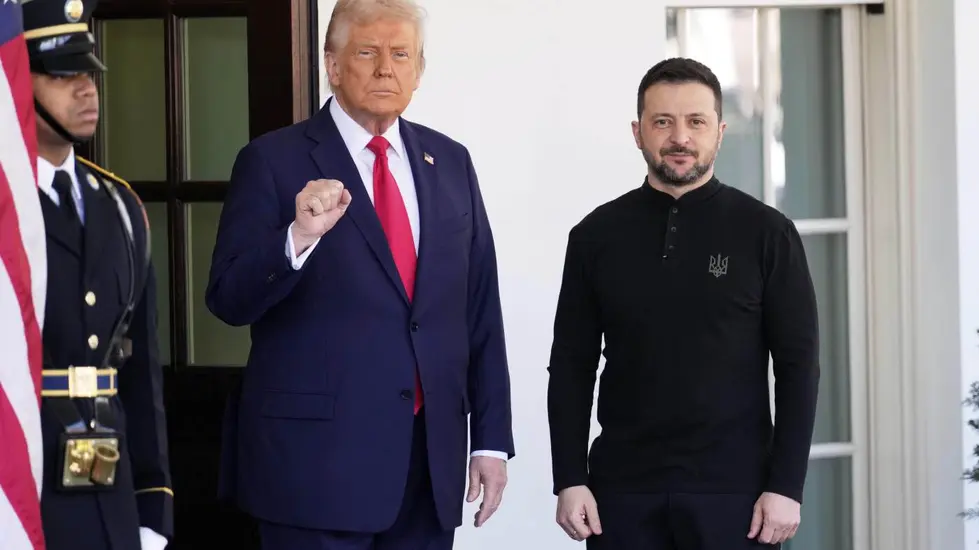
European leaders back Zelenskyy in White House talks
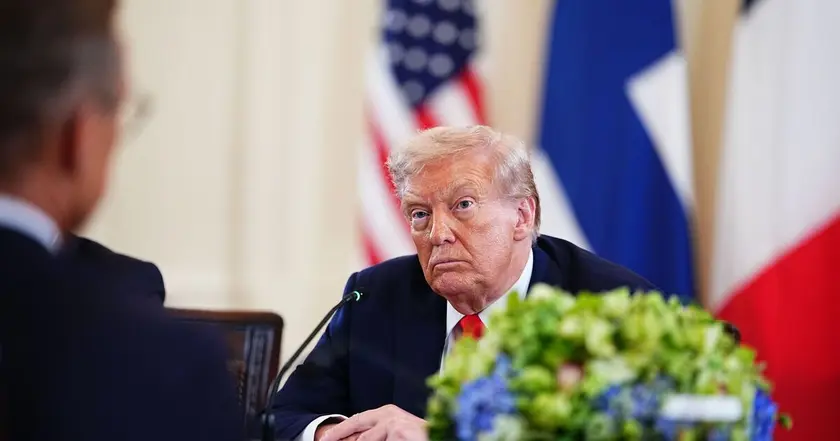
Trump halts talks to call Putin tests Western unity
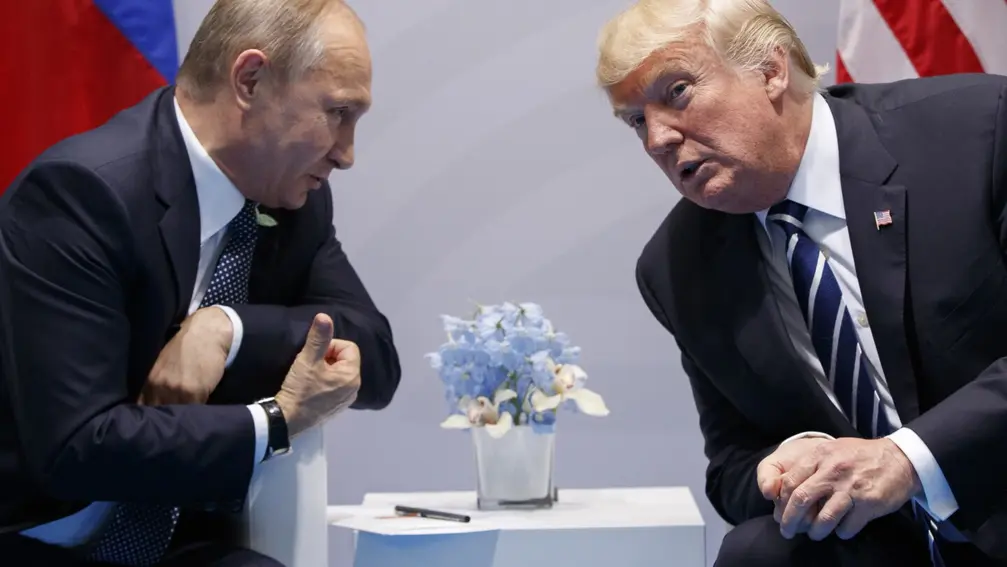
EU presses Trump to defend security interests at Putin summit
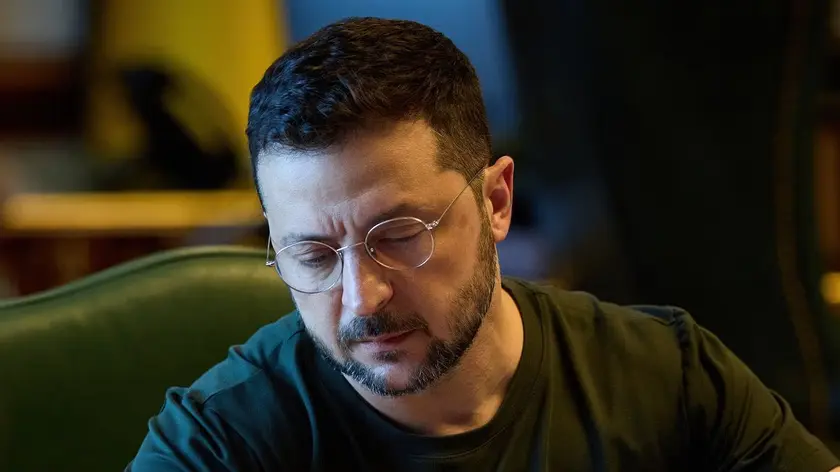
Ahead of Zelensky Trump talks European leaders head to Washington
EU unity tested ahead of Alaska talks

Ukraine talks loom
Putin gains legitimacy at Alaska talks