T4K3.news
Donbas talks face major tests
Putin demands Donbas control as a condition for peace; Kyiv resists territorial concessions, risking a deeper stalemate.

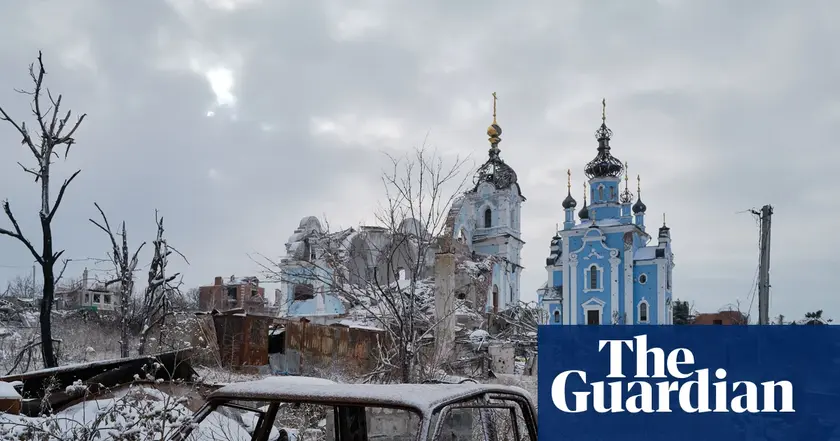


Putin seeks full control of Donbas as a condition for peace, while Kyiv resists ceding territory.
Donbas Fault Line Tests Ukraine Peace Talks
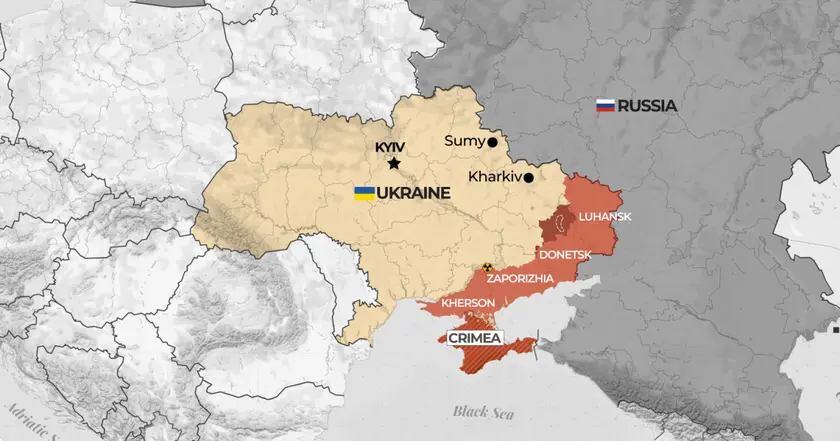
At the Alaska summit last week, Vladimir Putin pressed for full control of Donbas as a condition for ending the war. He reportedly demanded Ukrainian forces withdraw from Donetsk and Luhansk in exchange for a freeze along the rest of the frontline. Kyiv rejected any territorial concessions, keeping Donbas off the negotiating table as a nonstarter. Russia currently controls about 88 percent of Donbas, including all of Luhansk and most of Donetsk, while Ukraine still holds several key cities and fortified positions. Civilians remain in the areas still under Ukrainian control or near the frontline, underscoring the human cost of the dispute.
The stance has become a defining faultline. Public support in Ukraine for ceding land is extremely low, with polls showing about 75 percent opposing formal concessions. The issue shapes not only domestic politics but also how allies assess the likelihood of a durable settlement. The Donbas question injects complexity into diplomacy and raises the risk of a prolonged stalemate. Analysts warn that a frozen front would still leave a fragile peace, as the industrial heartland continues to bear the cost of the conflict.
Key Takeaways
"Donbas is the hinge on which peace stays or breaks"
editorial focus on the region's importance
"Kyiv will not trade territory to end a war"
policy position and domestic stance
"Russia uses Donbas as leverage to push for concessions"
analysis of Moscow strategy
"The fate of eastern Ukraine tests the credibility of diplomacy"
emotional reflection on diplomacy
The Donbas fault line is more than a border dispute. It defines who writes the state’s story after years of conflict. Putin’s insistence on full control signals a strategy to convert military gains into political leverage, while Kyiv treats Donbas as a non negotiable element of sovereignty. The stubborn stance sits in tension with the political reality at home and the hard checks on international patience. The longer this stalemate lasts, the more likely the conflict spills into economic and diplomatic arenas, shaking markets and testing alliance commitments.
Yet diplomacy is not simply a paper process. It depends on credible timelines, trusted intermediaries, and a willingness to accept incremental steps without appearing weak. The Donbas issue will test whether outsiders can push for a mediated outcome that preserves Ukraine’s territorial integrity while offering a credible path to de escalation. The risk is not only a failed agreement but also a broader erosion of trust among allies.
Highlights
- Donbas is the hinge of the peace process
- A deal without Donbas would feel incomplete
- Diplomacy now tests the power of resolve
- Time will show if talks can outpace territory
Political and public reaction risk around Donbas talks
The push for full Donbas control opens the door to domestic backlash in Ukraine and raises questions about international support. If negotiations stall, there is potential for escalation and economic strain.
The coming weeks will reveal how far diplomacy can bend before territory becomes a line that cannot be crossed
Enjoyed this? Let your friends know!
Related News
Alaska talks signal high-stakes Ukraine diplomacy
Zelensky Heads to Washington for High Stakes Talks
Trump threatens Gaza and Ukraine actions
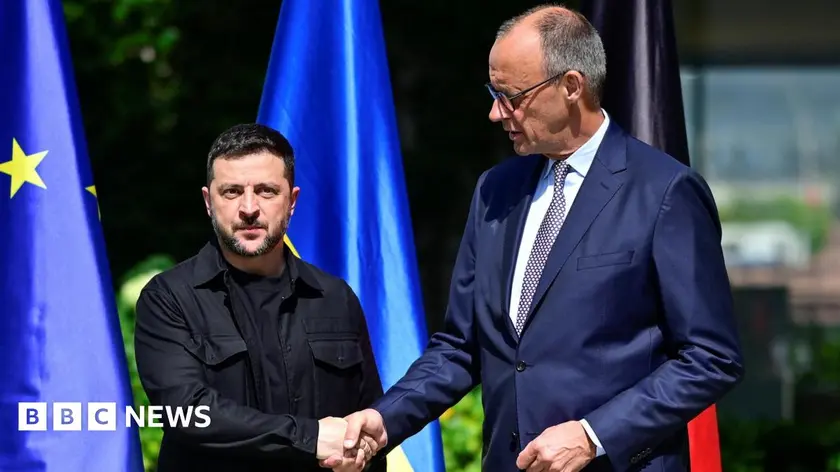
Zelensky in Berlin as Trump heads to Russia talks
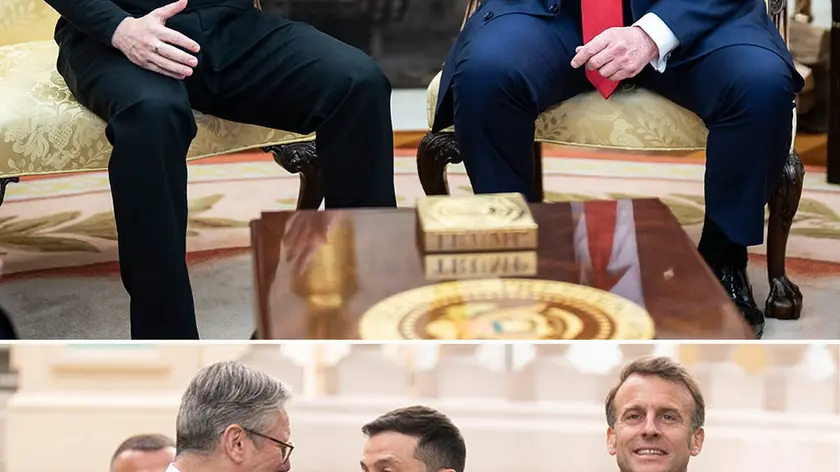
Ukraine talks in Washington

Ukraine conducts drone strikes on Russian energy sites

Caucasus peace talks face key hurdles

Transfer news intensifies as deadline approaches