T4K3.news
CBS Ends The Late Show Prompting Late Night Shift
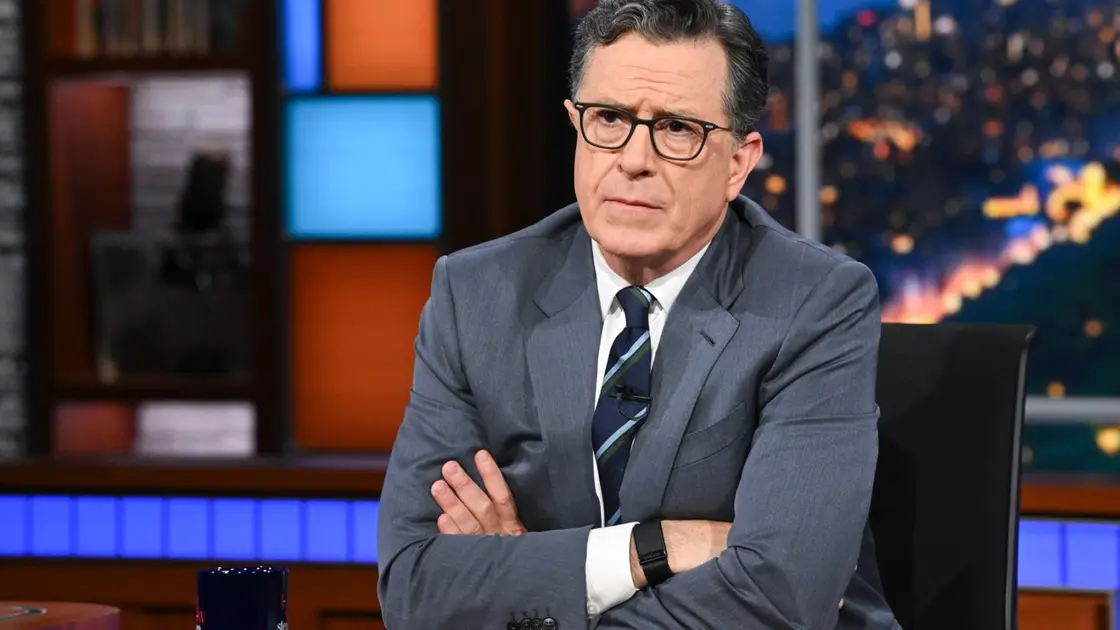
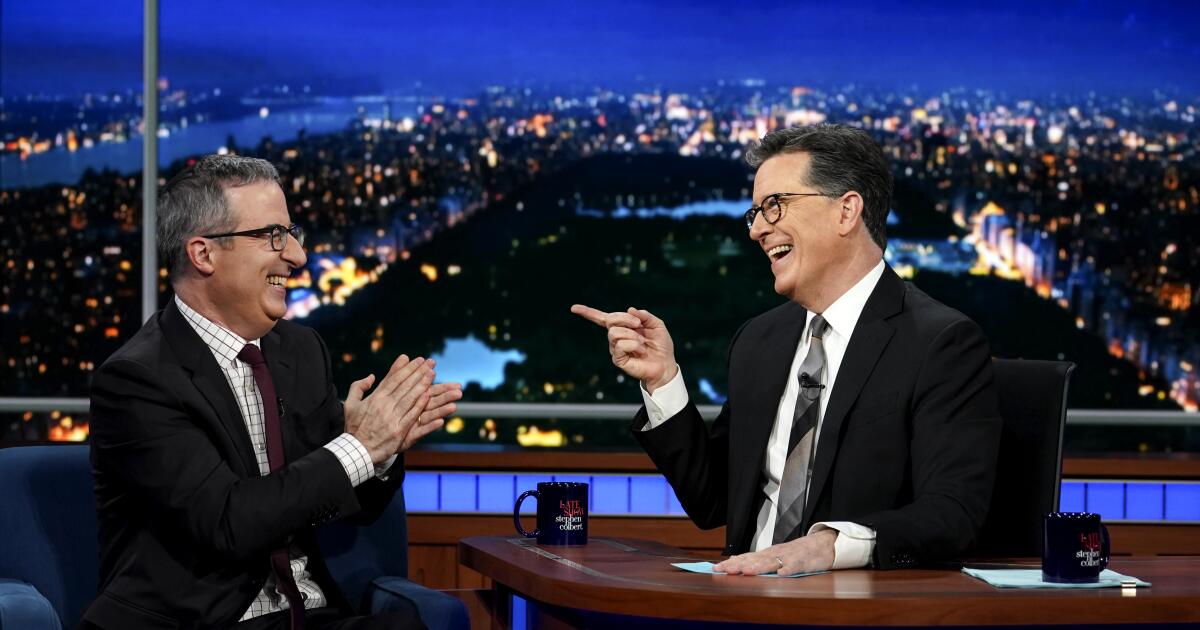
CBS ends The Late Show with Stephen Colbert next year as Conan O'Brien says late-night voices will adapt to new formats.

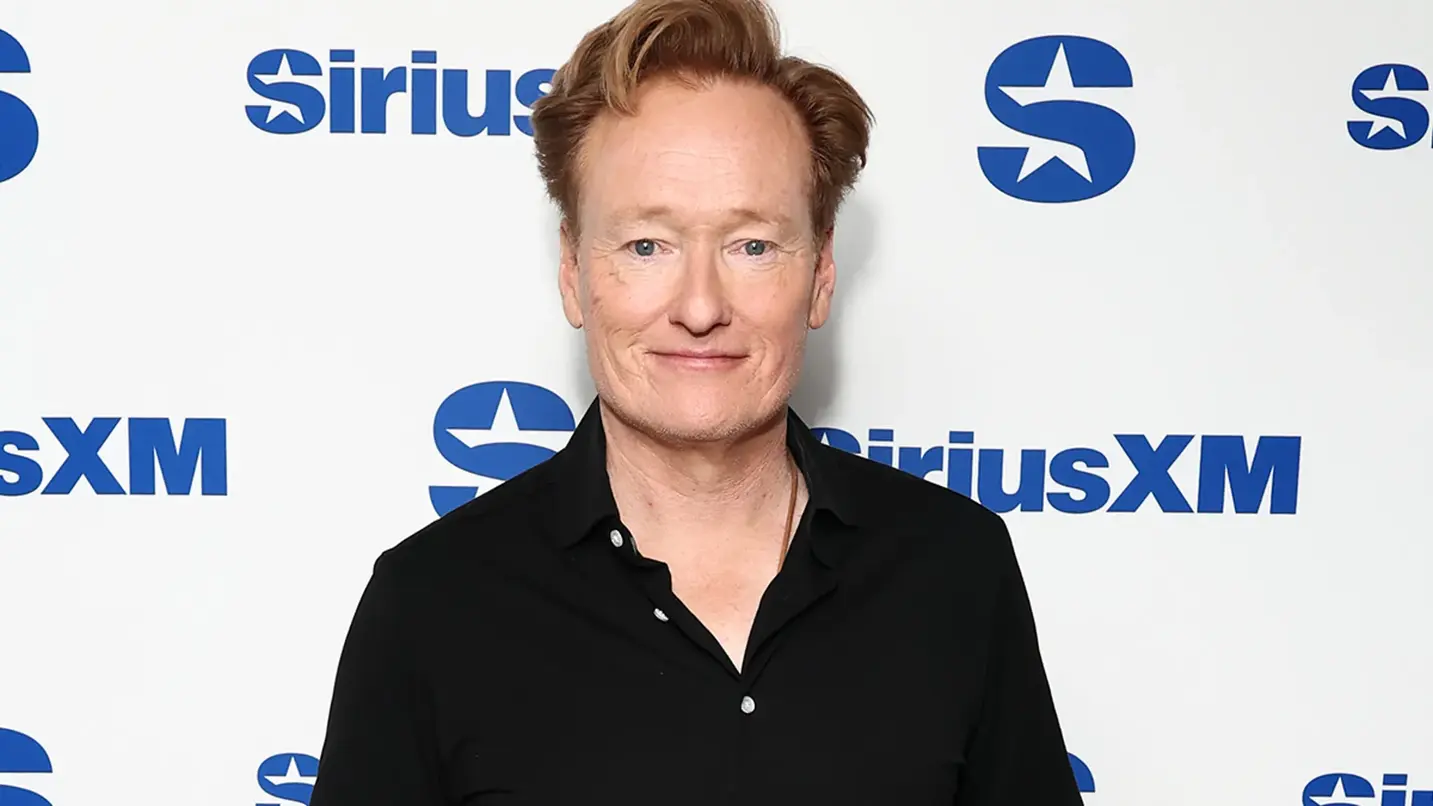


Editorial analysis of Conan O'Brien's take on CBS ending The Late Show and the broader shifts in late-night TV.
Late Night TV Faces a New Reality After CBS Ends The Late Show
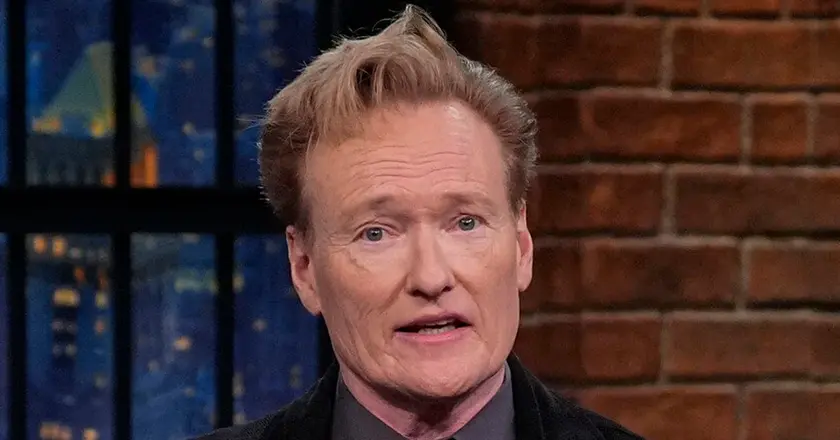
CBS announced it will end The Late Show with Stephen Colbert next year, a move that has sparked discussion about the future of late-night television. Onstage at the Television Academy Hall of Fame ceremony, Conan O'Brien framed the moment as part of a wider upheaval in how people watch TV, especially as streaming and on-demand viewing reshape audiences. He argued that while the traditional hour-long format may fade, the core value of storytelling, talent, and honest performances remains essential.
The piece notes that streaming and short-form clips often attract more views than the live broadcast, complicating how networks monetize late-night content. O'Brien suggests the field will evolve rather than disappear and points to his own shift from The Tonight Show to Conan and into podcasts as a possible model for the future. The decision by Paramount, linked to its merger with Skydance and ongoing regulatory questions, adds a political layer to a financial decision, drawing scrutiny from critics and supporters alike.
Key Takeaways
"The life we have known for almost 80 years is undergoing seismic change"
O'Brien on the industry shift
"Yes, late night television as we have known it since around 1950 is going to disappear"
O'Brien on the coming change
"People like Stephen Colbert are too talented to go away"
O'Brien on Colbert's future
The shift from a fixed broadcast hour to on-demand formats has placed pressure on traditional late-night economics. Networks must rethink monetization when audiences fragment across platforms. Yet the resilience of strong voices, from Colbert to O'Brien, shows that the appeal of sharp ideas and honest performance travels beyond any single stage. The disruption may be painful, but it also opens space for new formats, including video podcasts and creator-led streams, where talent controls the pace and tone.
Looking ahead, the industry will test new modes of storytelling while trying to protect the audiences that have stuck with late-night for decades. If quality and courage remain constant, audiences will follow, even as the platform changes. The real question is how quickly executives can turn risk into opportunity without sacrificing the honesty that drew people in the first place.
Highlights
- The stage shifts, but the audience stays hungry
- Talent stays alive in any format
- Stories endure beyond the screen
- Platforms change, passion endures
Budget and political risk tied to late-night exit
The decision to end The Late Show intersects with financial concerns, mergers, and regulatory scrutiny, raising potential backlash and public debate.
The next act in late-night will arrive with a new voice and a broader stage.
Enjoyed this? Let your friends know!
Related News
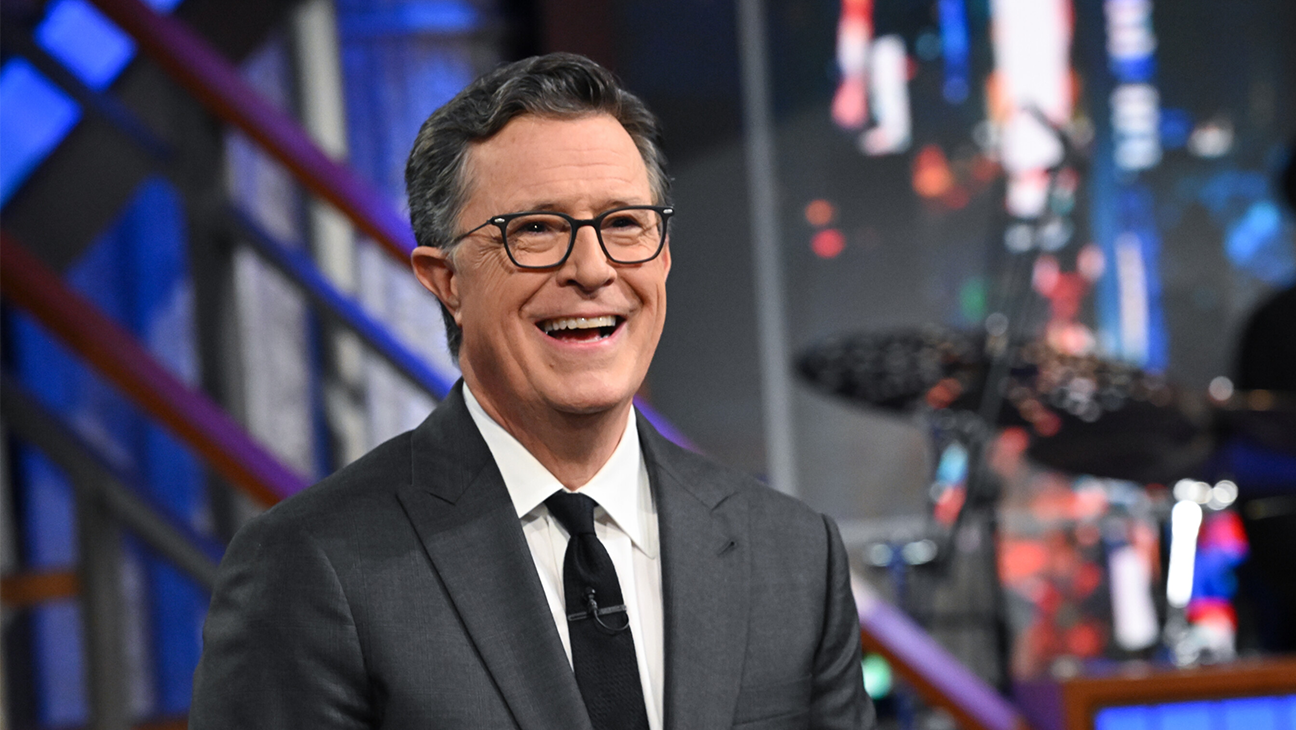
Colbert's Late Show to End Next Year

Ed Sullivan Theater to see a new chapter
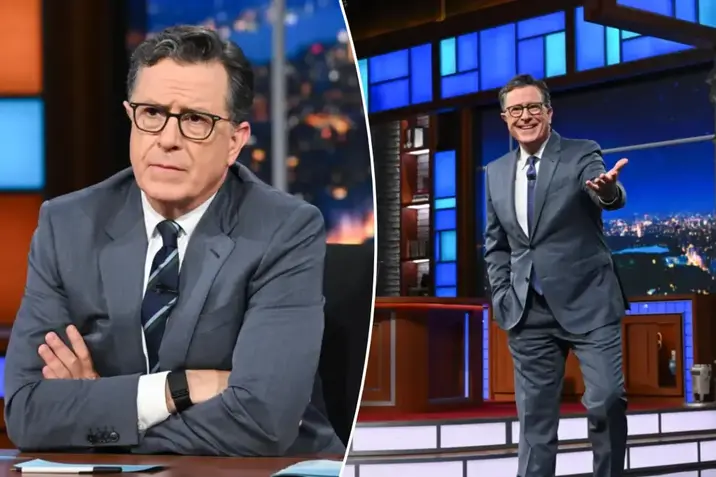
Stephen Colbert secures new role after Late Show cancellation

New Paramount merger finalized with numerous challenges ahead
Colbert announces the end of The Late Show
CBS ends 'The Late Show' with Stephen Colbert

CBS cancels Colbert's Late Show

Skydance explains Late Show cancellation