T4K3.news
Amy Bradley case gains a queer angle on Netflix
The new Netflix documentary presents Amy Bradley as a multifaceted person and rethinks how the case has been told, offering fresh context and empathy.

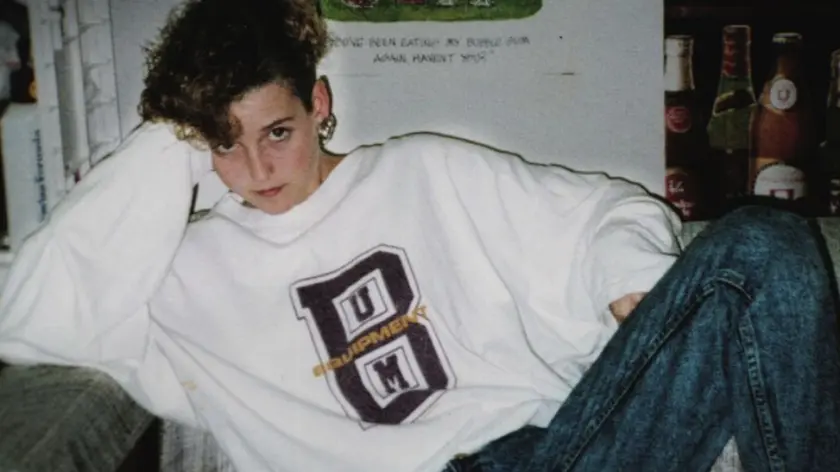


The film centers Amy Bradley’s sexuality to reshape how a decades-old disappearance is understood.
Netflix Adds a Queer Angle to the Amy Bradley Case
Netflix Adds a Queer Angle to the Amy Bradley Case follows the 1998 Royal Caribbean disappearance by foregrounding Amy’s private life. The documentary uses photos and interviews with friends and former partners to show Amy as a complex person who was more than a headline. It argues that the era’s attitudes toward lesbian and bisexual women influenced how the case was reported and what theories gained traction. The new material shifts focus from speculation to memory, offering a portrait that feels less like a puzzle and more like a life interrupted.
The film also examines how victims are framed in true crime. By presenting Amy’s sexuality as part of her identity, it invites viewers to rethink the narrative that has long circled the case. The documentary acknowledges the ethics of storytelling in a field prone to sensational tropes, and it highlights the impact on Amy’s family when private truths become public. It remains a difficult puzzle, but the new angle adds context that can help move the conversation beyond headlines.
Key Takeaways
"We are bringing her alive"
Mollie on keeping Amy memory vivid
"Amy was a whole person not a face in a spooky viral TikTok"
Call for authentic portrayal
"It was the 90s and being out was taboo"
Historical context shaping family response
"This is not a simple missing case but a life story"
Overall reframing of the narrative
The shift from a narrow missing person narrative to a fuller portrait reflects a broader turn in true crime toward victims as full people. Yet there is a tension between empathy and sensationalism: highlighting sexuality can empower but it may also invite new forms of voyeurism. This piece signals a trend where marginalized stories demand room to be understood in their own terms, not just through familiar crime tropes. It also raises questions about how families navigate public scrutiny while coping with loss. Ethical storytelling becomes a shared responsibility for creators and audiences alike.
Highlights
- We are bringing her alive
- Amy was a whole person not a face in a spooky viral TikTok
- It was the 90s and being out was taboo
- This is not a simple missing case but a life story
Sensitive subject requires careful handling
The documentary intersects with LGBTQ history and family pain while addressing sensational crime reporting. It raises ethical questions about portraying victims in true crime and the risk of retraumatizing relatives, even as it strives to humanize Amy.
The story continues to evolve as viewers reckon with both memory and truth.
Enjoyed this? Let your friends know!
Related News
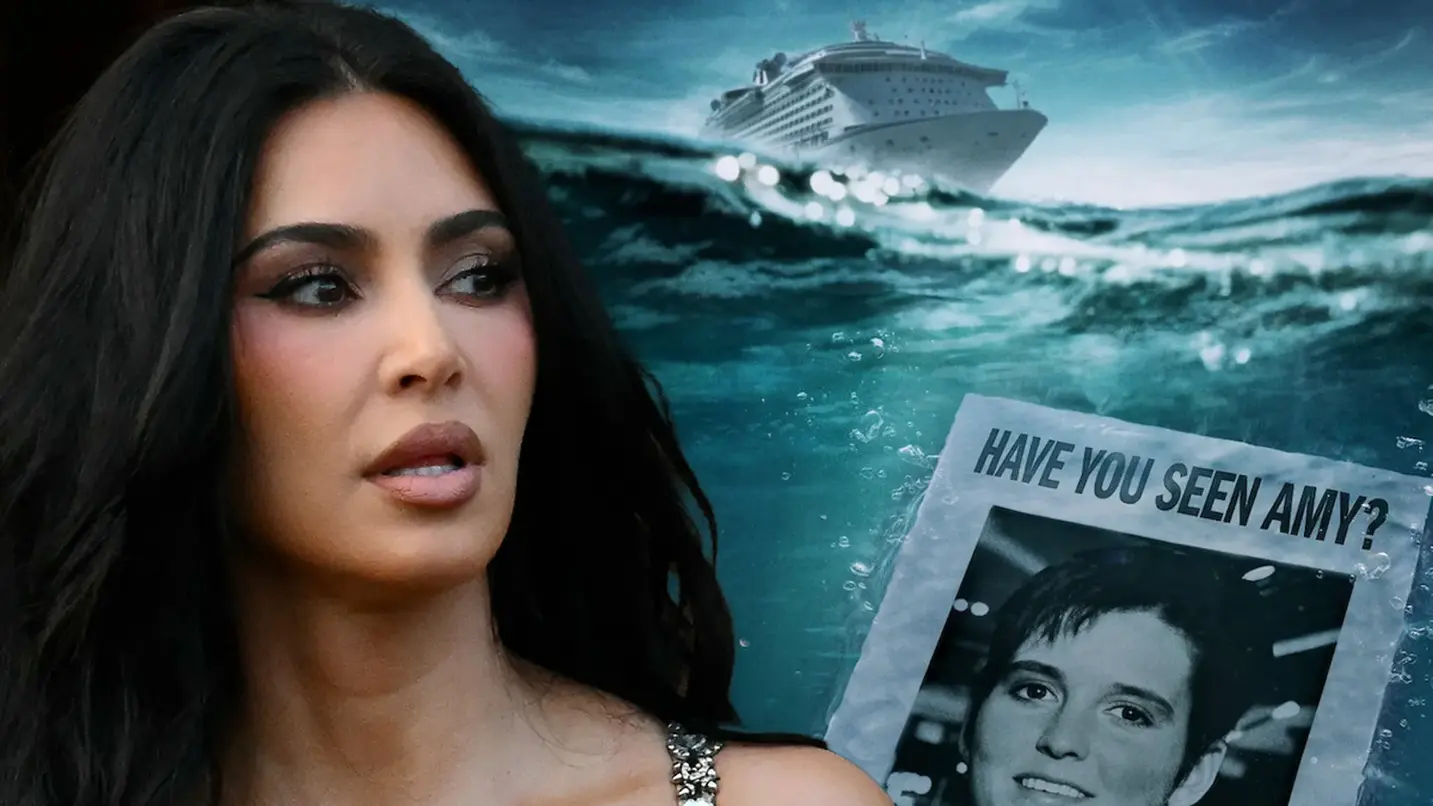
Kim Kardashian approached to assist in Amy Bradley's case
New shows and movies on Netflix this week
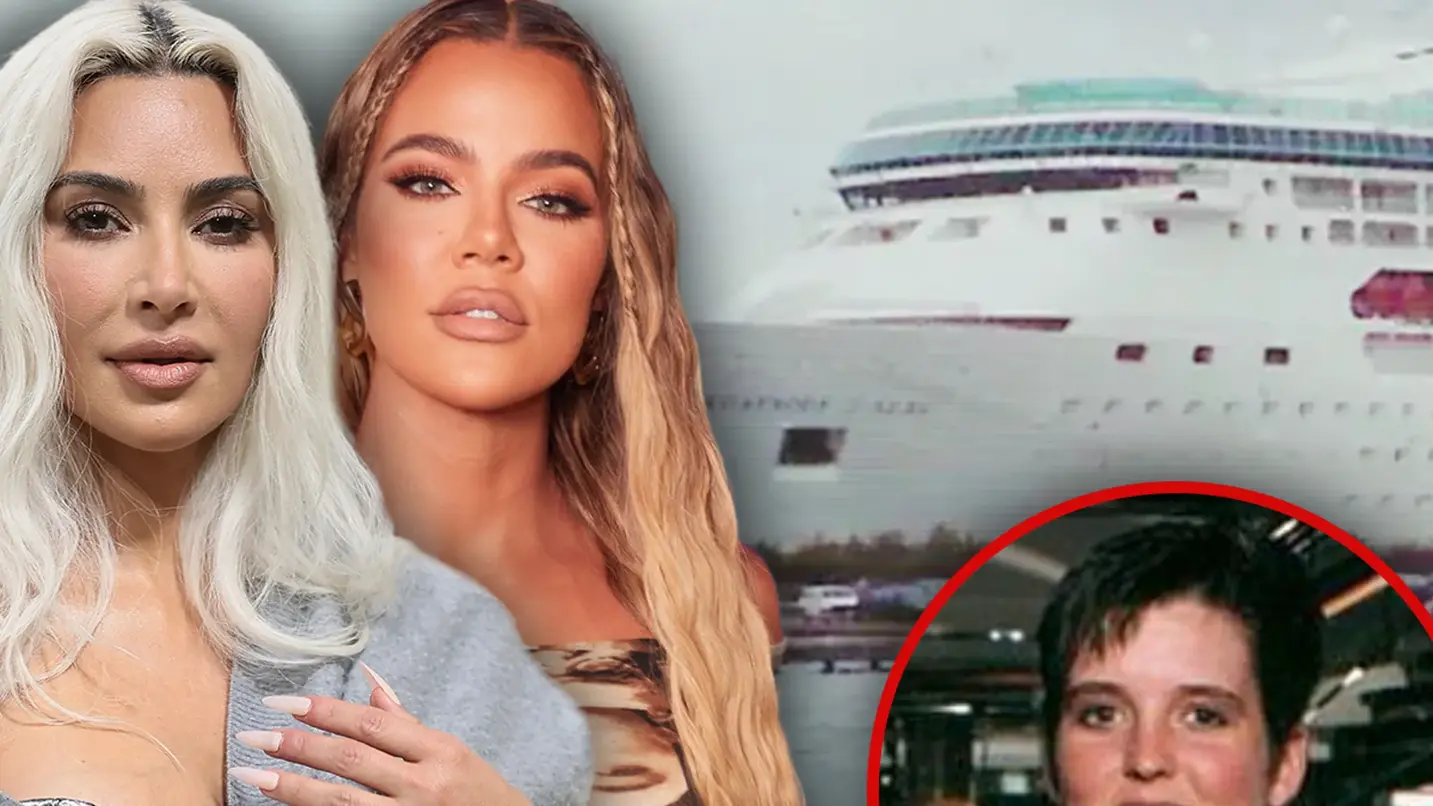
Kardashians Aid in Amy Bradley Search
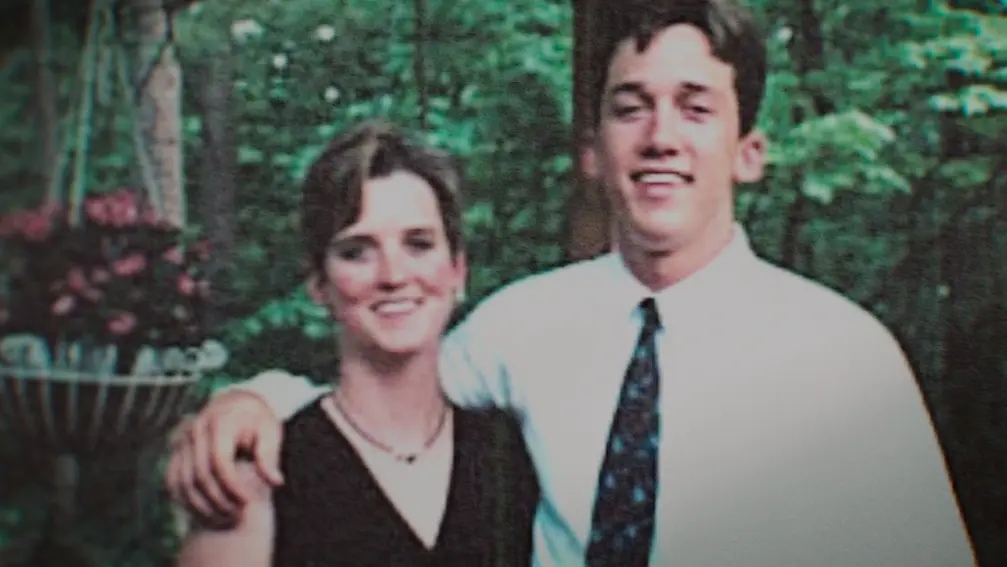
Filmmakers believe Amy Bradley might still be alive

Breakthrough Sighting Rekindles Amy Bradley Disappearance

New shows arriving on Netflix from July 13 to July 19

Influencer Injured in Viral Stiletto Challenge
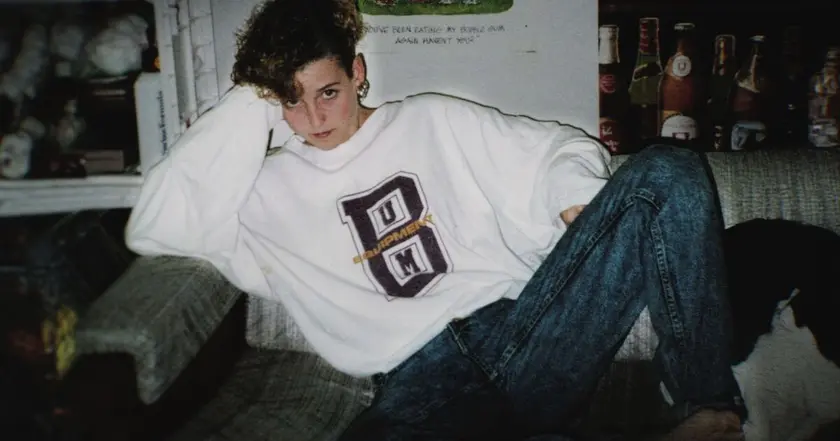
Cameraman uncovers final Amy Bradley footage